We are USED TIRE JAPAN, the used tire exporter SK.Inc operates from Sapporo, Japan. Malaysia is the largest single destination for Japanese used tire exports. It is also the destination with the strictest entry requirement of any market we ship to, and buyers regularly find that out too late. This page explains what the requirement is before you spend time on a quotation.
Penang
Pasir Gudang
An Approved Permit from MITI is required, and only certified retreaders can get one. A general tire wholesaler or retailer cannot import used tires into Malaysia. If that is you, the route is to buy from an importer who holds the permit rather than to import directly.
The Approved Permit, and who qualifies
Since January 2010, importing used tires into Malaysia has required an Approved Permit (AP) issued by MITI, the Ministry of Investment, Trade and Industry. The requirement covers HS heading 4012, which is retreaded and used pneumatic tires.
The part that catches people out is who qualifies:
- The AP is issued only to retreading businesses
- The applicant must hold SIRIM MS224 certification
- Each AP is valid for three months from issue
We say this plainly because it saves both sides time. We would rather tell you at the enquiry stage than after a container is booked.
The ocean route
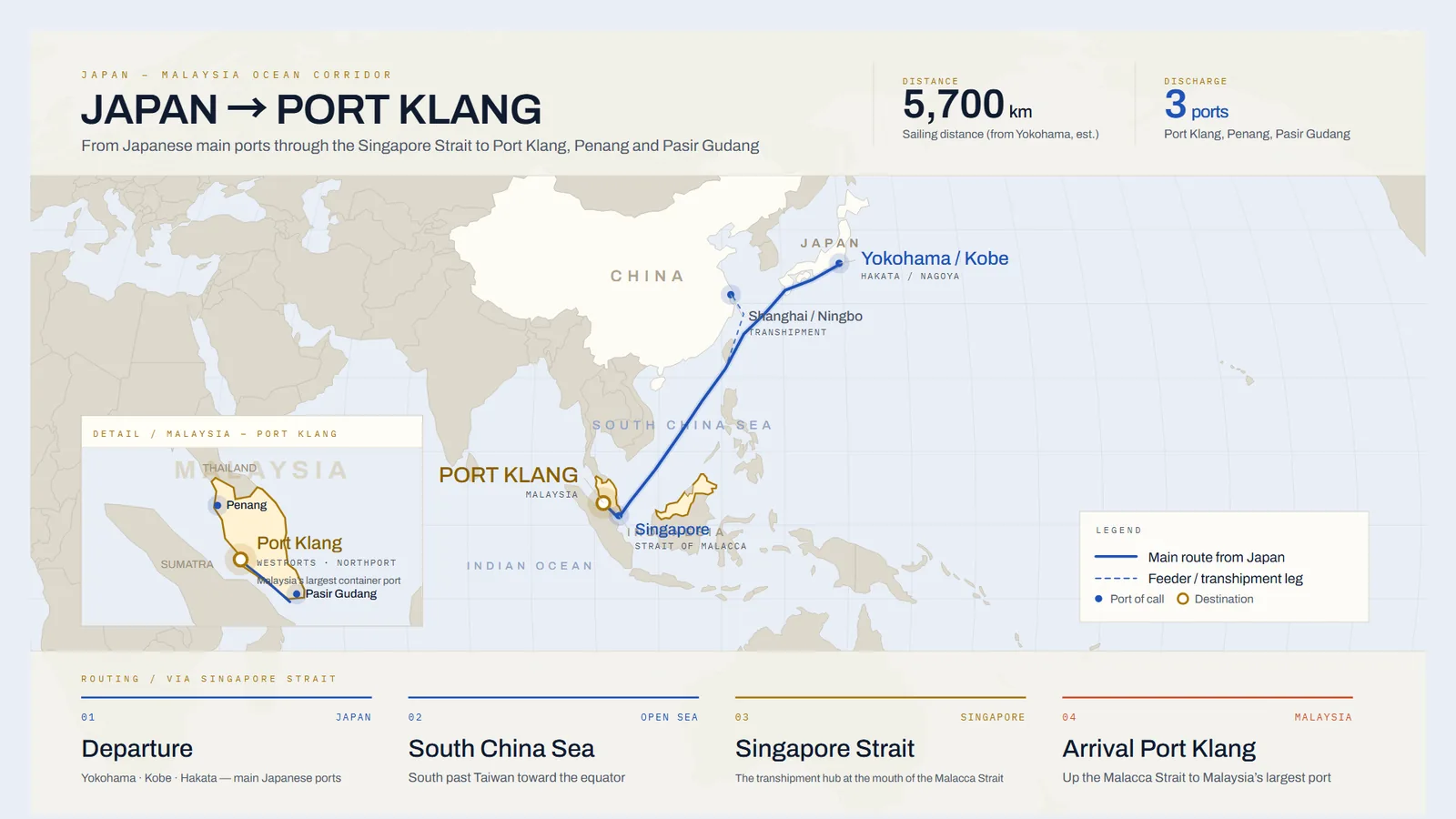
- Port Klang (Selangor) — the country’s largest container port, 15.14 million TEU in 2025. The default choice for imports.
- Penang Port — about 1.42 million TEU in 2024. Convenient for the retreading businesses clustered in the north.
- Pasir Gudang (Johor) — the southern industrial cluster, close to Singapore.
We load from thirteen Japanese ports — Ishikari, Tomakomai, Hachinohe, Akita, Sendai, Niigata, Kashiwazaki, Tokyo, Yokohama, Nagoya, Osaka, Kobe and Moji. Which one we use depends on where the stock is collected, not on where you are.
We do not publish transit times, because they depend on the carrier and the routing on the day. Ask us when you enquire and we will give you the schedule we are actually being quoted.
What fits in a container
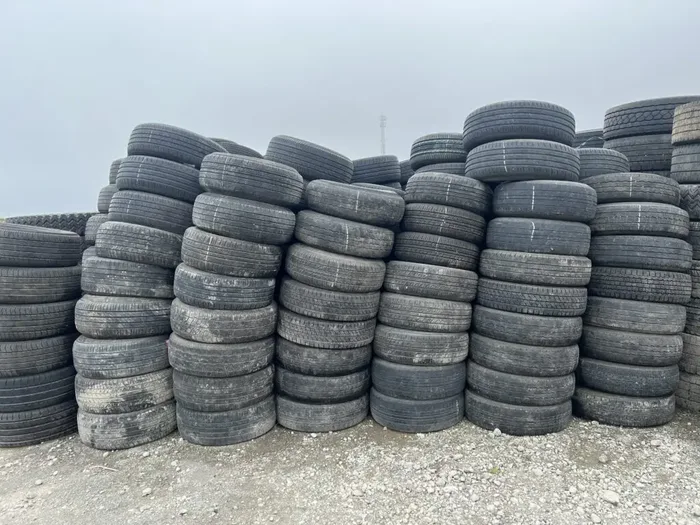
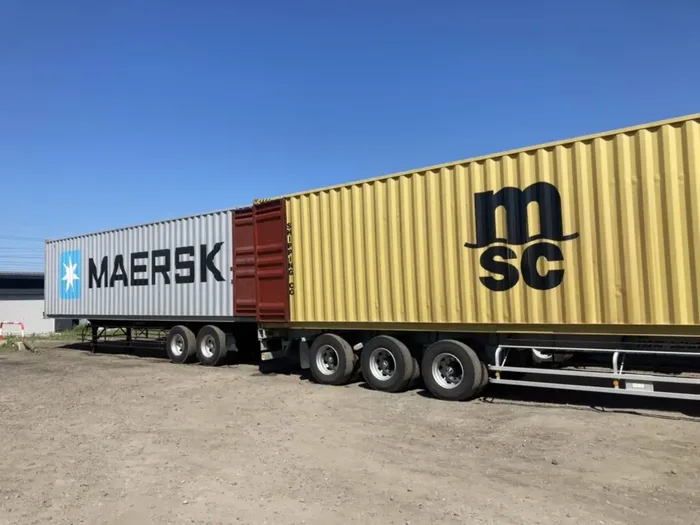
- Passenger car tires (PCR), 12–17 inch — about 2,500–2,800 pieces in a 40ft, loaded 2-in-1 or 3-in-1
- Light truck tires (LTR), 16 and 17.5 inch — 500–600 pieces in a 40ft, with 12–17 inch nested inside
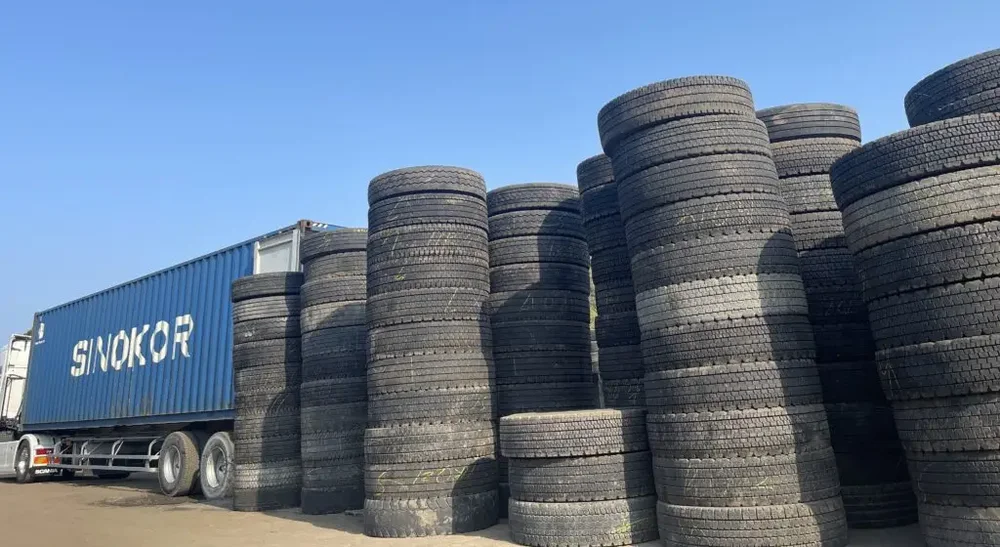
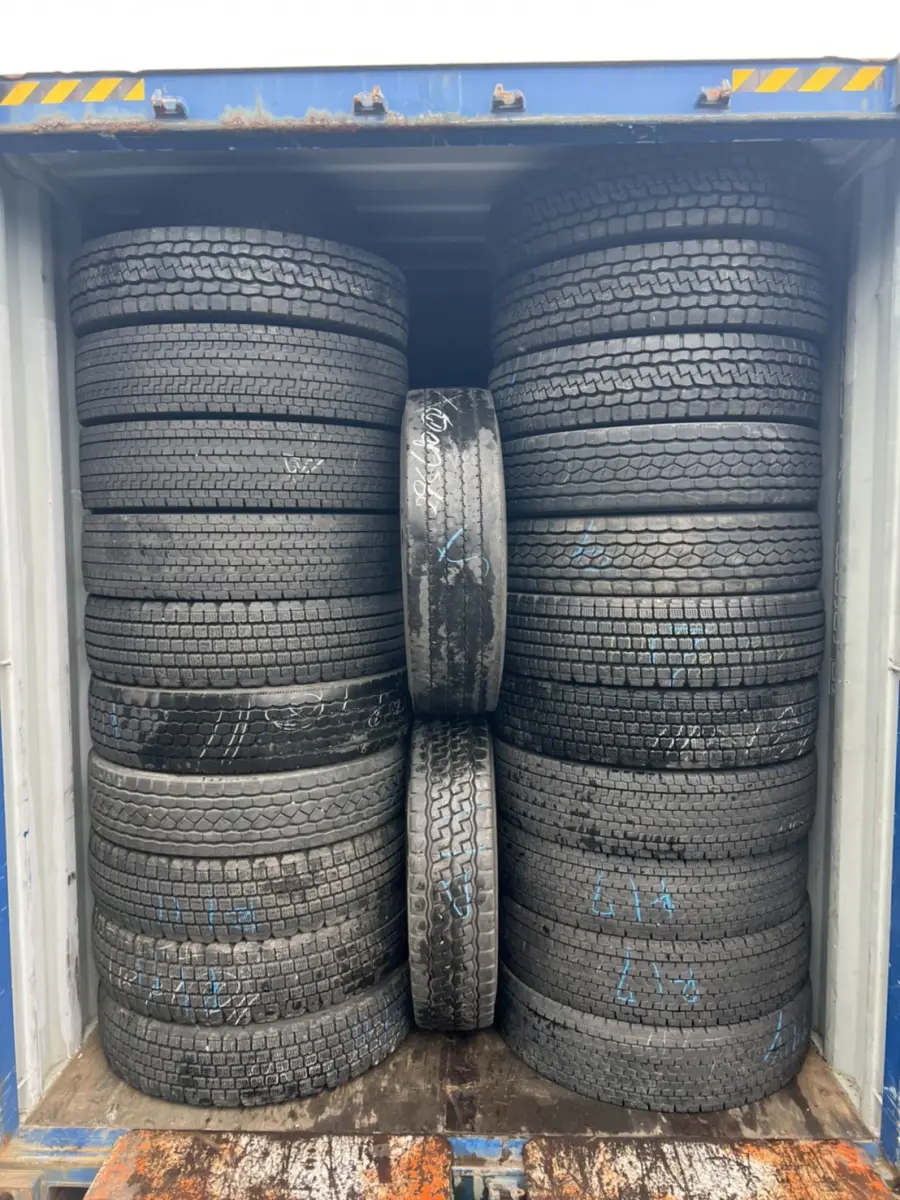
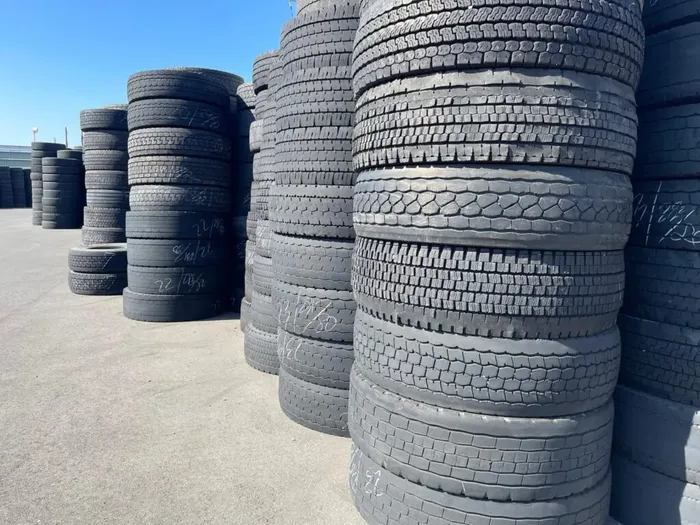
- Truck and bus tires (TBR), 11R22.5 single size — 288 pieces in a 40ft
- Mixed PCR and light truck — roughly 2,200 PCR plus 500–550 LT pieces
Full size lists and grading are on the category pages: passenger car tires, truck & bus tires, light truck tires and casings for retreading.
Terms and payment
We quote CIF to your discharge port. Marine insurance is included on every shipment. Freight is normally prepaid in Japan; collect at your end can be arranged if that suits your bank better.
Most customers pay by T/T. For a yearly contract we also work with L/C at sight.
FAQ — importing used tires from Japan to Malaysia
Do I really need an Approved Permit?
Yes, for used and retreaded tires under HS 4012. The requirement has been in place since January 2010 and is issued by MITI. Without it the shipment cannot be cleared.
Who can get an AP?
Retreading businesses holding SIRIM MS224 certification. A general wholesaler or retailer does not qualify. Each permit is valid for three months from issue.
I am not a retreader. Can I still buy Japanese used tires?
Not by importing them into Malaysia yourself. The usual route is to buy locally from a certified importer. If you operate in another market as well, we can quote that destination instead.
Which port do you ship to?
Port Klang, Penang or Pasir Gudang — whichever you nominate. Port Klang is the usual choice.
What is the minimum order?
One 40ft container.
Request an offer for Malaysia
Send us your discharge port, the sizes you want and the rough quantity. We reply with a CIF price and the loading schedule.
How the buying process works — from the first enquiry through inspection, loading and documents.
Our monthly export reports record every container we loaded — quantity, sizes and destination region — going back to 2021.