We are USED TIRE JAPAN, the export name SK.Inc trades under from Sapporo, Japan, shipping Japanese used tires by the container. South Korea is also a major exporter of used tires in its own right, so the regulatory picture on the import side is less documented than in markets that depend entirely on outside supply.
Incheon
Ulsan
We found no import permit scheme specific to used tires. Korea’s KC self-certification system governs new tire manufacturing and sale; whether it extends to used tire imports is not something we could confirm. Separately, the Ministry of Environment has been restricting imports of “waste tires” since May 2023 — that is a waste/recycling-feedstock category, and whether it is applied the same way to reusable tires under HS 4012.20 is unclear from public sources.
Why we recommend a direct check
Korea’s tire industry association (KOTMA) represents domestic manufacturers rather than used-tire importers, so it is not a useful source for this question either. Given the ambiguity between the waste-tire restriction and ordinary reusable tire imports, we recommend your side check current practice directly with Korea Customs (UNIPASS) or a local customs broker before you order, rather than relying on this page alone.
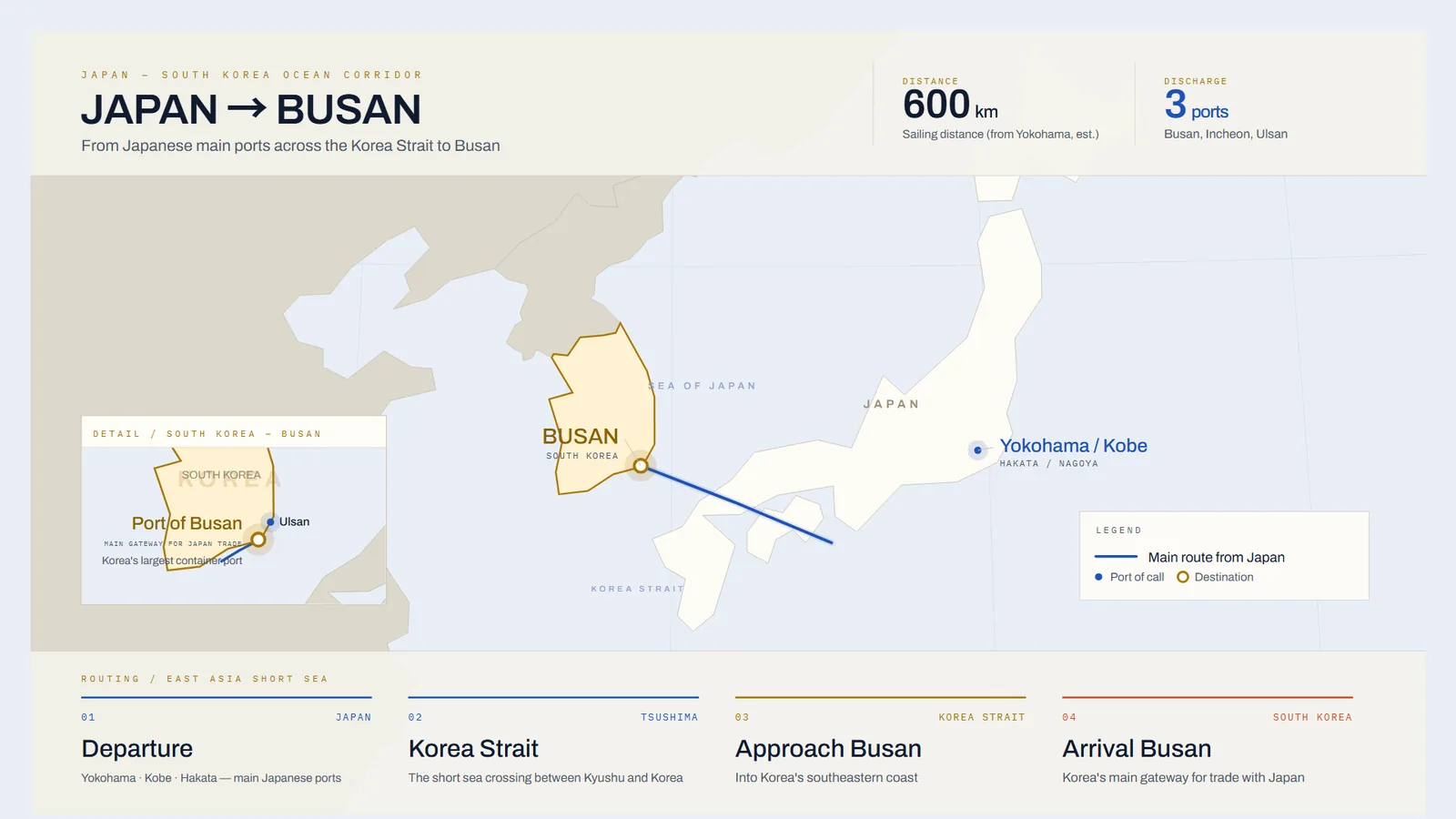
The ocean route
Busan is the main gateway for trade with Japan. Incheon and Ulsan are the other options, depending on where your business is based.
We load from thirteen Japanese ports — Ishikari, Tomakomai, Hachinohe, Akita, Sendai, Niigata, Kashiwazaki, Tokyo, Yokohama, Nagoya, Osaka, Kobe and Moji. Which one we use depends on where the stock is collected, not on where you are.
We do not publish transit times, because they depend on the carrier and the routing on the day. Ask us when you enquire and we will give you the schedule we are actually being quoted.
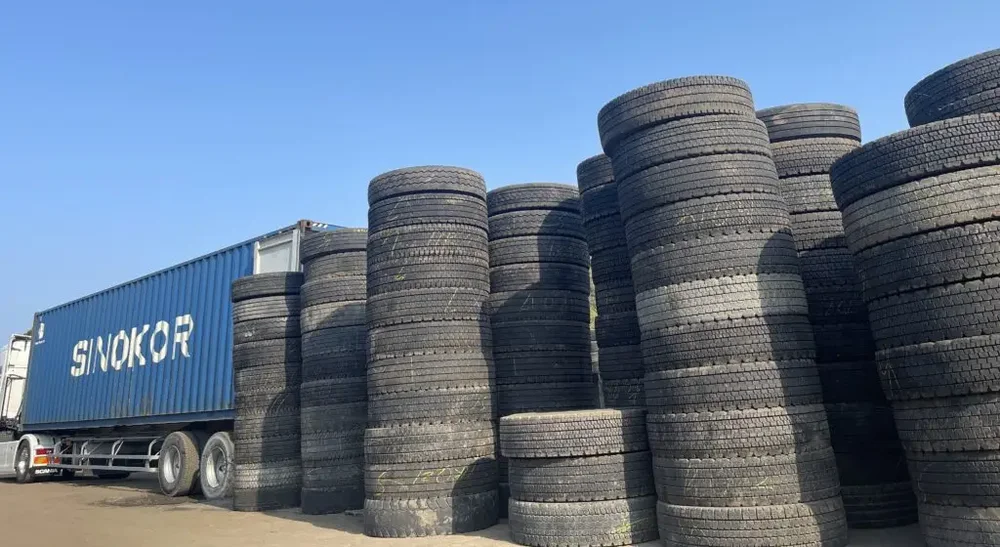
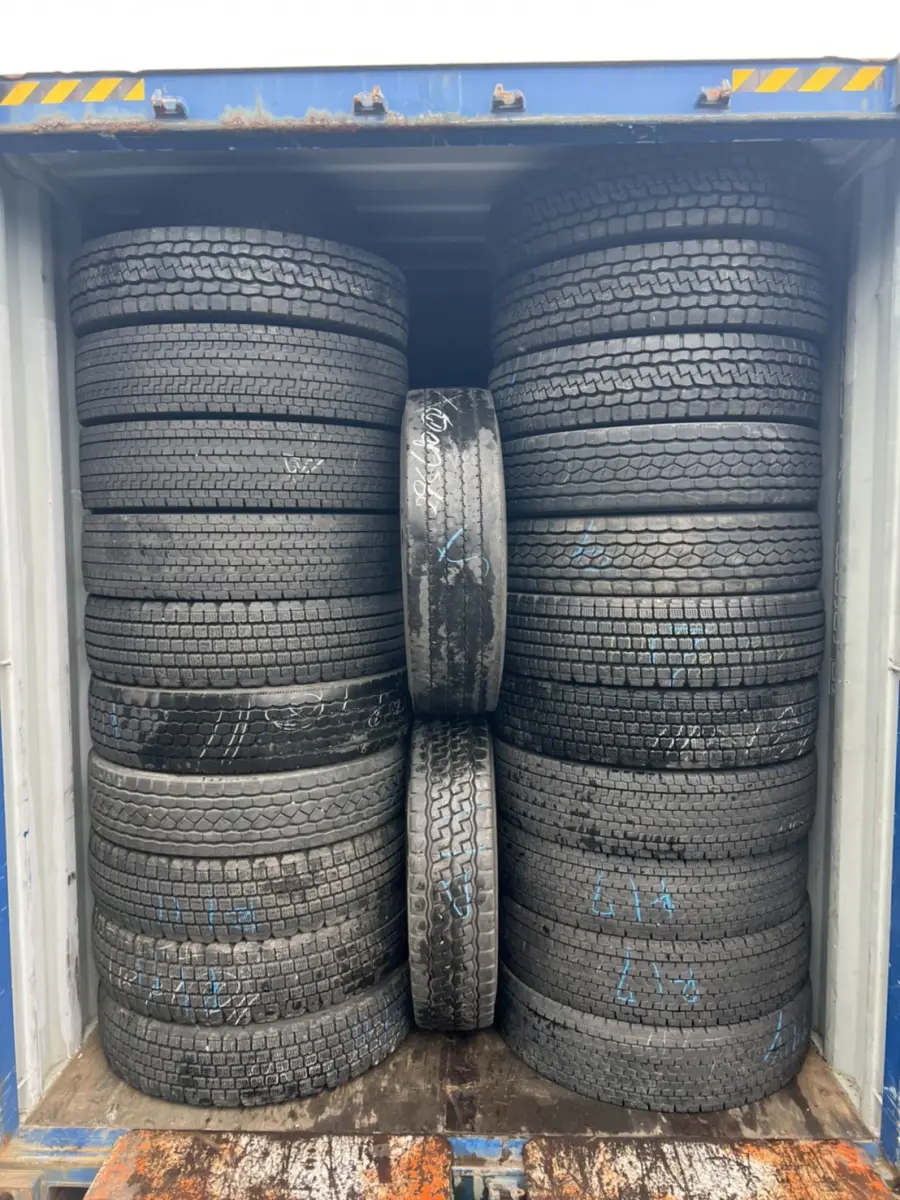
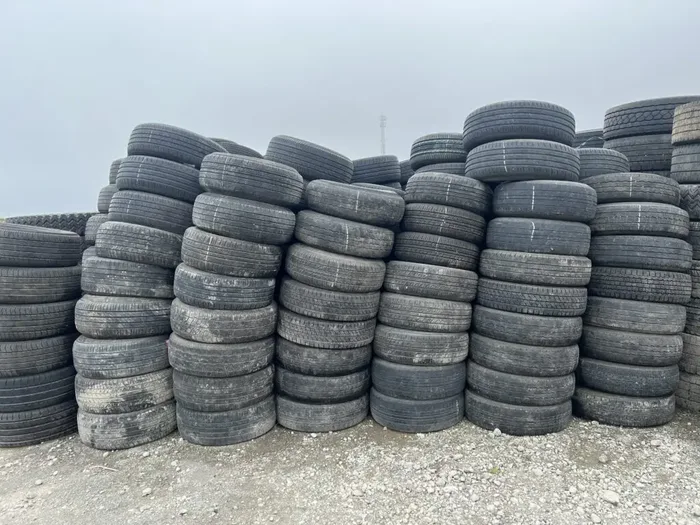
What fits in a container
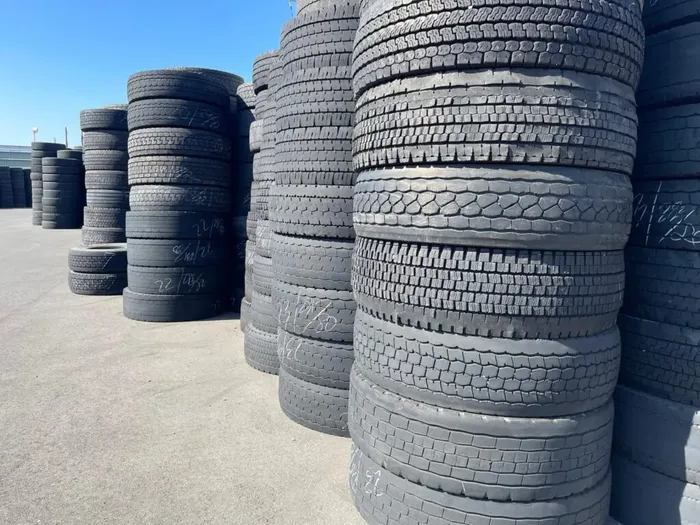
- Passenger car tires (PCR), 12–17 inch — about 2,500–2,800 pieces in a 40ft, loaded 2-in-1 or 3-in-1
- Light truck tires (LTR), 16 and 17.5 inch — 500–600 pieces in a 40ft, with 12–17 inch nested inside
- Truck and bus tires (TBR), 11R22.5 single size — 288 pieces in a 40ft
- Mixed PCR and light truck — roughly 2,200 PCR plus 500–550 LT pieces
Full size lists and grading are on the category pages: passenger car tires, truck & bus tires, light truck tires and casings for retreading.
Terms and payment
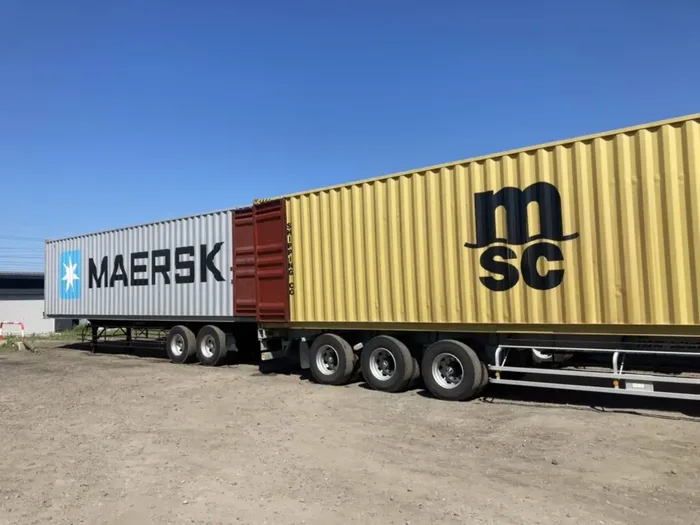
We quote CIF to your discharge port. Marine insurance is included on every shipment. Freight is normally prepaid in Japan; collect at your end can be arranged if that suits your bank better.
Most customers pay by T/T. For a yearly contract we also work with L/C at sight.
FAQ — importing used tires from Japan to South Korea
Is a permit required to import used tires into South Korea?
We found no permit scheme specific to used tires. We recommend confirming current customs practice directly with UNIPASS or a local broker, since a separate restriction on “waste tires” (a recycling-feedstock category) has applied since May 2023 and we could not confirm how it is distinguished from reusable tires in practice.
Does the KC certification apply to used tire imports?
KC self-certification is documented for new tire manufacturing and sale. We could not confirm whether it applies to used tire imports as well.
Which port should I use?
Busan is the usual choice for cargo from Japan. Incheon and Ulsan are also available.
What is the minimum order?
One 40ft container.
Can I mix sizes and types in one container?
Yes. Tell us the sizes and roughly what share of each you want.
Request an offer for South Korea
Send us your discharge port, the sizes you want and the rough quantity. We reply with a CIF price and the loading schedule.
How the buying process works — from the first enquiry through inspection, loading and documents.
Our monthly export reports record every container we loaded — quantity, sizes and destination region — going back to 2021.