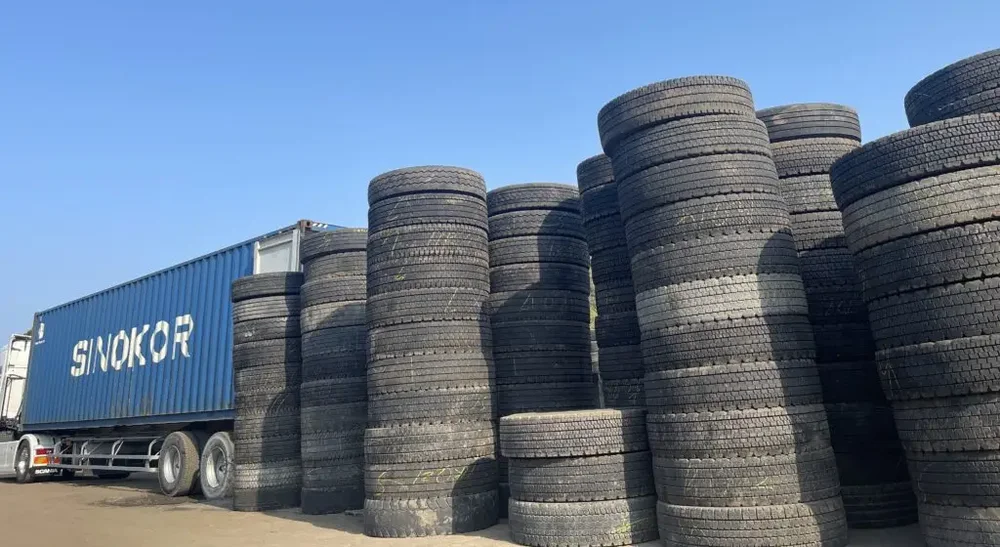
SK.Inc, in Sapporo, Hokkaido, trades as USED TIRE JAPAN and exports Japanese used tires by the full container. Cambodia is another market where the secondary sources contradict each other, and we would rather tell you that than repeat whichever one sounds more confident.
Phnom Penh
Two commonly cited sources claim a used tire import ban but disagree on which law creates it, and we could not locate either law as cited. The regulation that does appear to exist — Sub-Decree 209 ANK.BK (2007), on the prohibited and restricted goods list, amended by Sub-Decree 208 ANK.BK (2011) — was not accessible to us as a primary document (its listed source returned an access error), so we could not confirm whether HS 4012.20 appears in its annexes. Japanese export statistics show continuing shipments to Cambodia (10,242 pieces in June 2026), which tells us some classification lets this trade through in practice.
What we recommend before you order
Given the gap between what is reported and what we could verify, we recommend asking your Cambodian customs broker directly whether HS 4012.20 appears in Sub-Decree 209’s annexes before committing to an order. We can still quote and ship on your instruction once that is confirmed on your side.
The ocean route
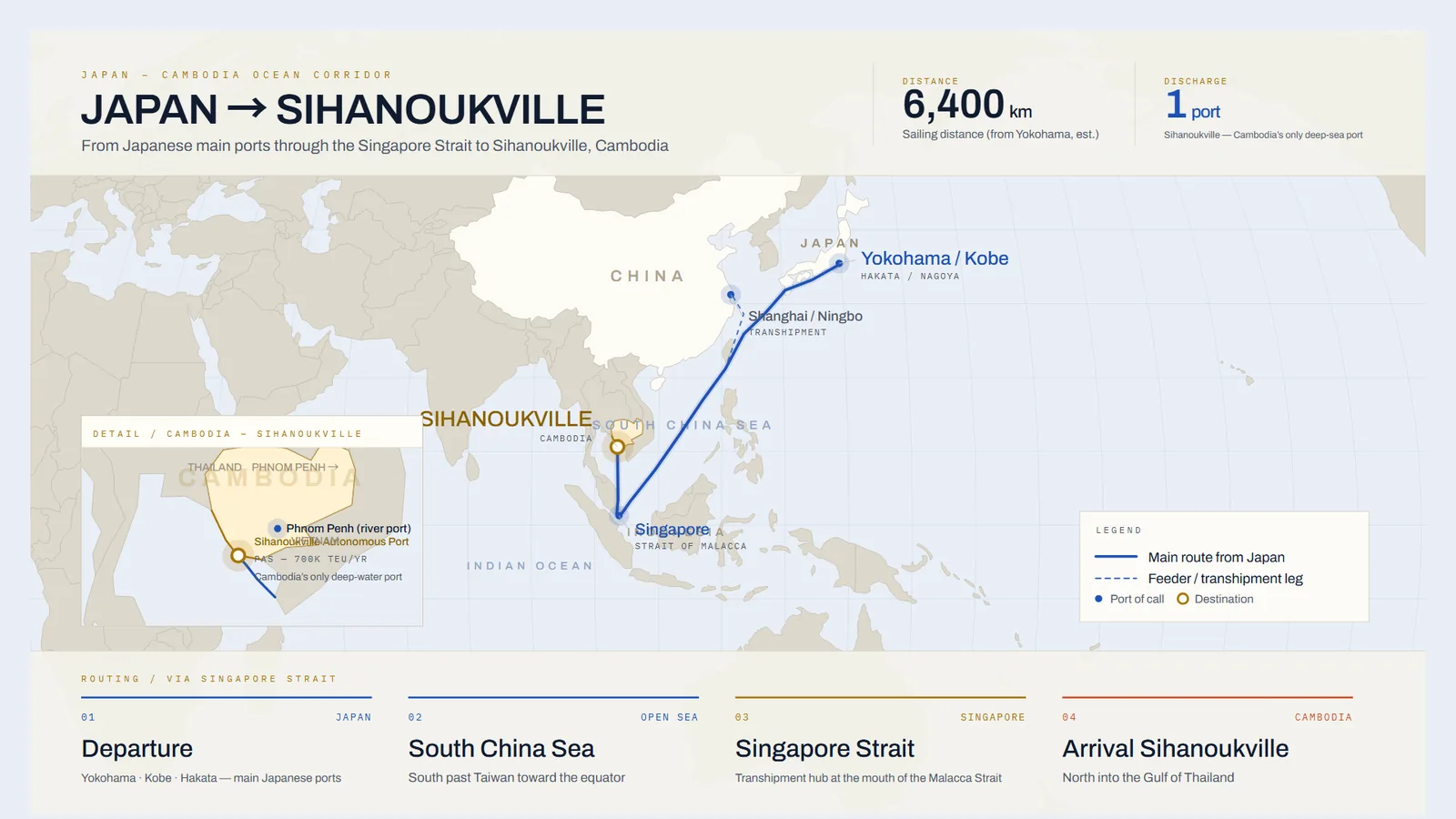
Sihanoukville is Cambodia’s only deep-water port and the usual route for a direct shipment from Japan. Phnom Penh, a river port, is an alternative reached via transhipment through Vietnam.
We load from thirteen Japanese ports — Ishikari, Tomakomai, Hachinohe, Akita, Sendai, Niigata, Kashiwazaki, Tokyo, Yokohama, Nagoya, Osaka, Kobe and Moji. Which one we use depends on where the stock is collected, not on where you are.
We do not publish transit times, because they depend on the carrier and the routing on the day. Ask us when you enquire and we will give you the schedule we are actually being quoted.
What fits in a container
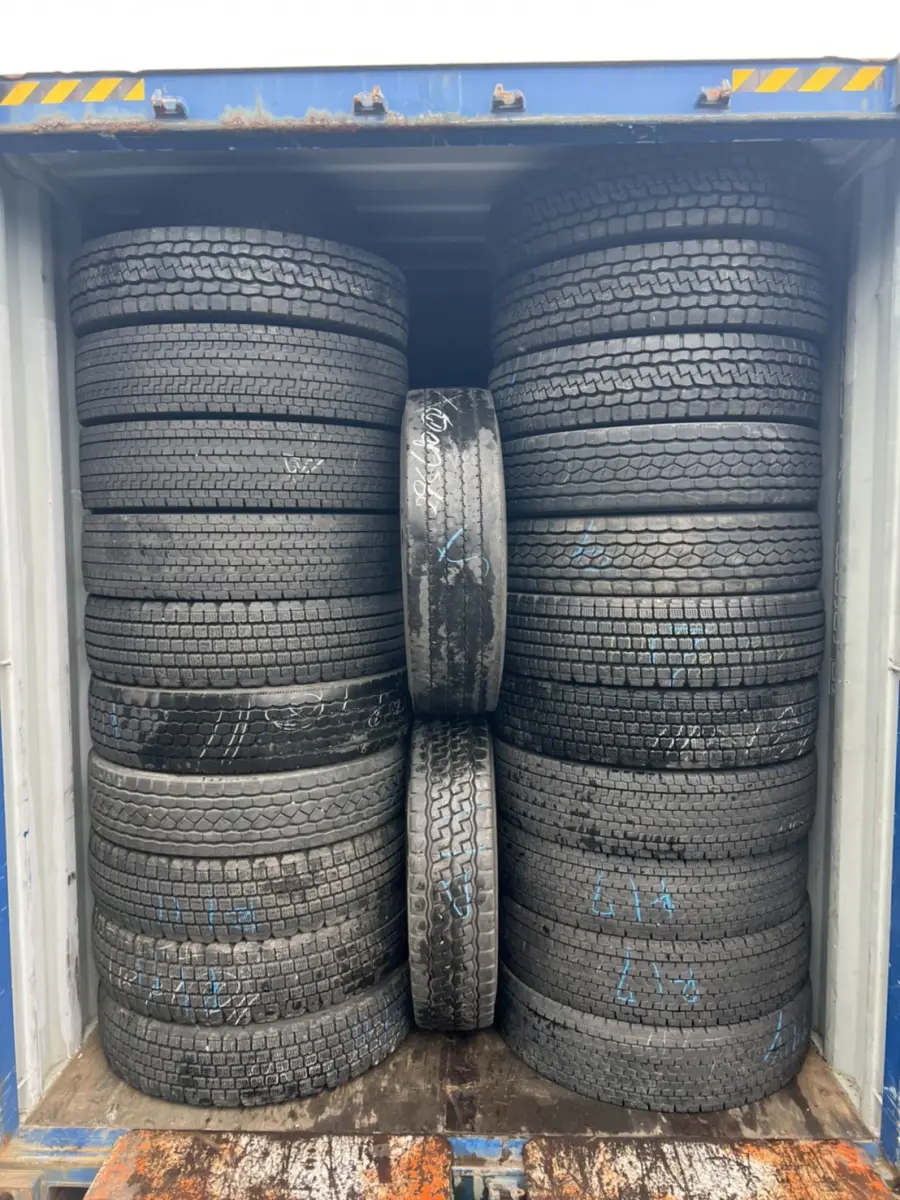
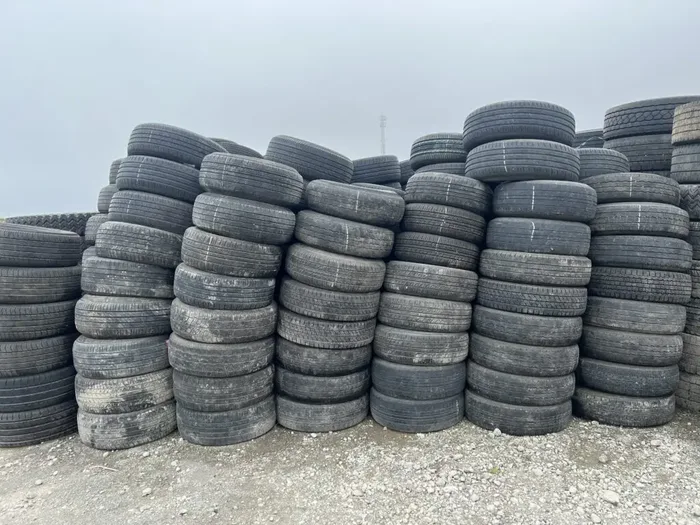
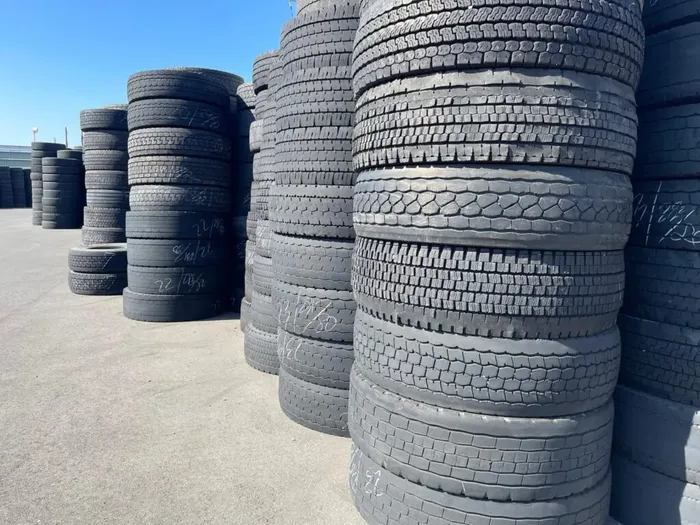
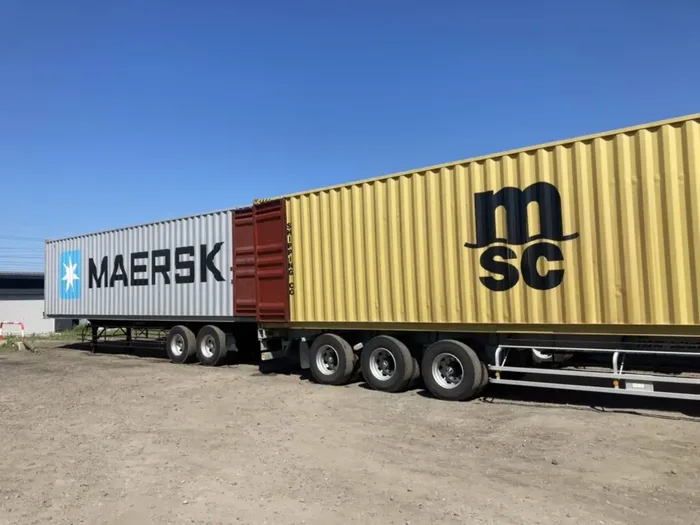
- Passenger car tires (PCR), 12–17 inch — about 2,500–2,800 pieces in a 40ft, loaded 2-in-1 or 3-in-1
- Light truck tires (LTR), 16 and 17.5 inch — 500–600 pieces in a 40ft, with 12–17 inch nested inside
- Truck and bus tires (TBR), 11R22.5 single size — 288 pieces in a 40ft
- Mixed PCR and light truck — roughly 2,200 PCR plus 500–550 LT pieces
Full size lists and grading are on the category pages: passenger car tires, truck & bus tires, light truck tires and casings for retreading.
Terms and payment
We quote CIF to your discharge port. Marine insurance is included on every shipment. Freight is normally prepaid in Japan; collect at your end can be arranged if that suits your bank better.
Most customers pay by T/T. For a yearly contract we also work with L/C at sight.
FAQ — importing used tires from Japan to Cambodia
Is importing used tires into Cambodia legal?
Secondary sources claim a ban but cite laws we could not verify as described. The regulation that does appear to be real, Sub-Decree 209 ANK.BK, was not accessible to us to check directly. Japanese export statistics show continuing shipments, so some classification clears customs in practice — we recommend confirming HS 4012.20’s status with a local broker before you order.
Why can’t you just tell me if it’s allowed?
Because the primary legal text was not accessible to us, and secondary sources disagree. We would rather say that plainly than repeat an unverified claim as fact.
Which port do you ship to?
Sihanoukville for a direct shipment, or Phnom Penh via transhipment through Vietnam.
What is the minimum order?
One 40ft container, subject to your side confirming the import is workable.
Can you still quote me while this is unresolved?
Yes. We just ask that you or your customs broker confirm HS 4012.20’s status before we book anything.
Request an offer for Cambodia
Send us your discharge port, the sizes you want and the rough quantity. We reply with a CIF price and the loading schedule.
How the buying process works — from the first enquiry through inspection, loading and documents.
If you want to see what we ship before you enquire, the export reports set out each month’s loadings with photographs from the yard.