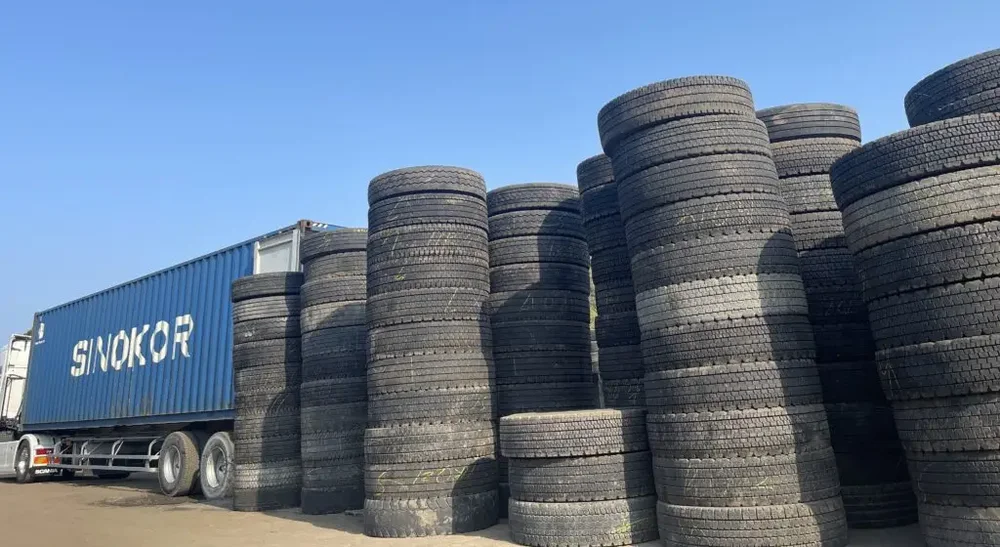
USED TIRE JAPAN — registered in Japan as SK.Inc, and working out of Sapporo, Hokkaido — ships used tires by the container. El Salvador is one of the more clearly regulated markets in our research: importing used tires is a defined legal category with its own duty rate, not a workaround or a grey area.
La Unión
Used tire imports are legal and carry a 15% import duty (DAI) — notably higher than the roughly 10% new tires pay, which tells you this is a deliberately structured category rather than an oversight. A 2010 environment ministry proposal to restrict used tire imports on health grounds did not proceed, and the 15% duty regime has continued since. Fumigation by OIRSA (the regional agricultural health body) is mandatory, at a cost of about US$68.67 per 40ft container.
What the paperwork involves
Your side needs a NIT (taxpayer number) from the Ministry of Finance, and clearance goes through a licensed customs broker (Agente Aduanero) — both standard requirements, not tire-specific hurdles. Budget the OIRSA fumigation into your schedule; it happens on arrival, before the container is released.
The ocean route
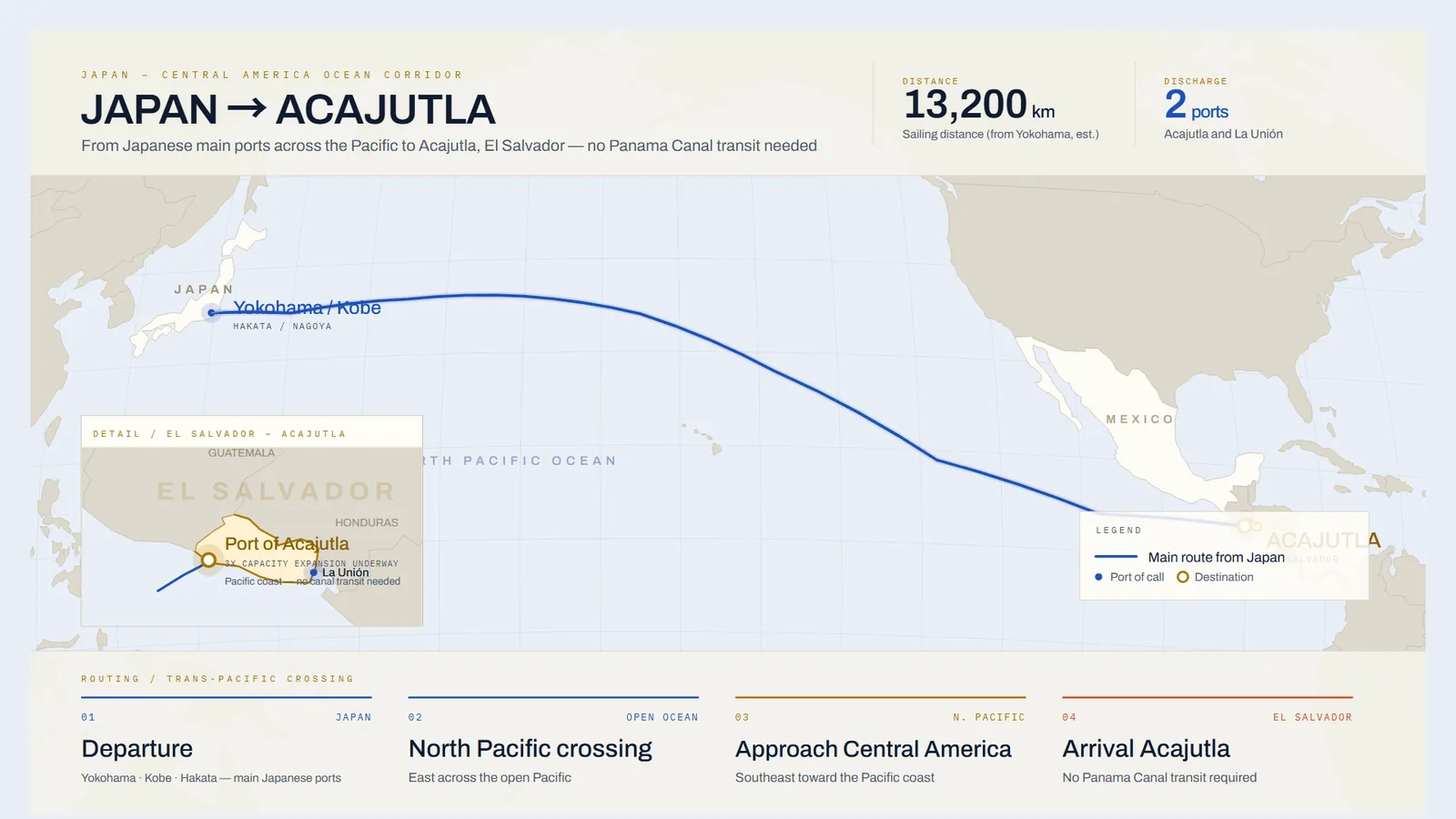
Acajutla, on the Pacific coast, is El Salvador’s main container terminal and is undergoing a threefold capacity expansion. La Unión, in the east, is the secondary option. A Pacific routing from Japan does not require transiting the Panama Canal.
We load from thirteen Japanese ports — Ishikari, Tomakomai, Hachinohe, Akita, Sendai, Niigata, Kashiwazaki, Tokyo, Yokohama, Nagoya, Osaka, Kobe and Moji. Which one we use depends on where the stock is collected, not on where you are.
We do not publish transit times, because they depend on the carrier and the routing on the day. Ask us when you enquire and we will give you the schedule we are actually being quoted.
What fits in a container
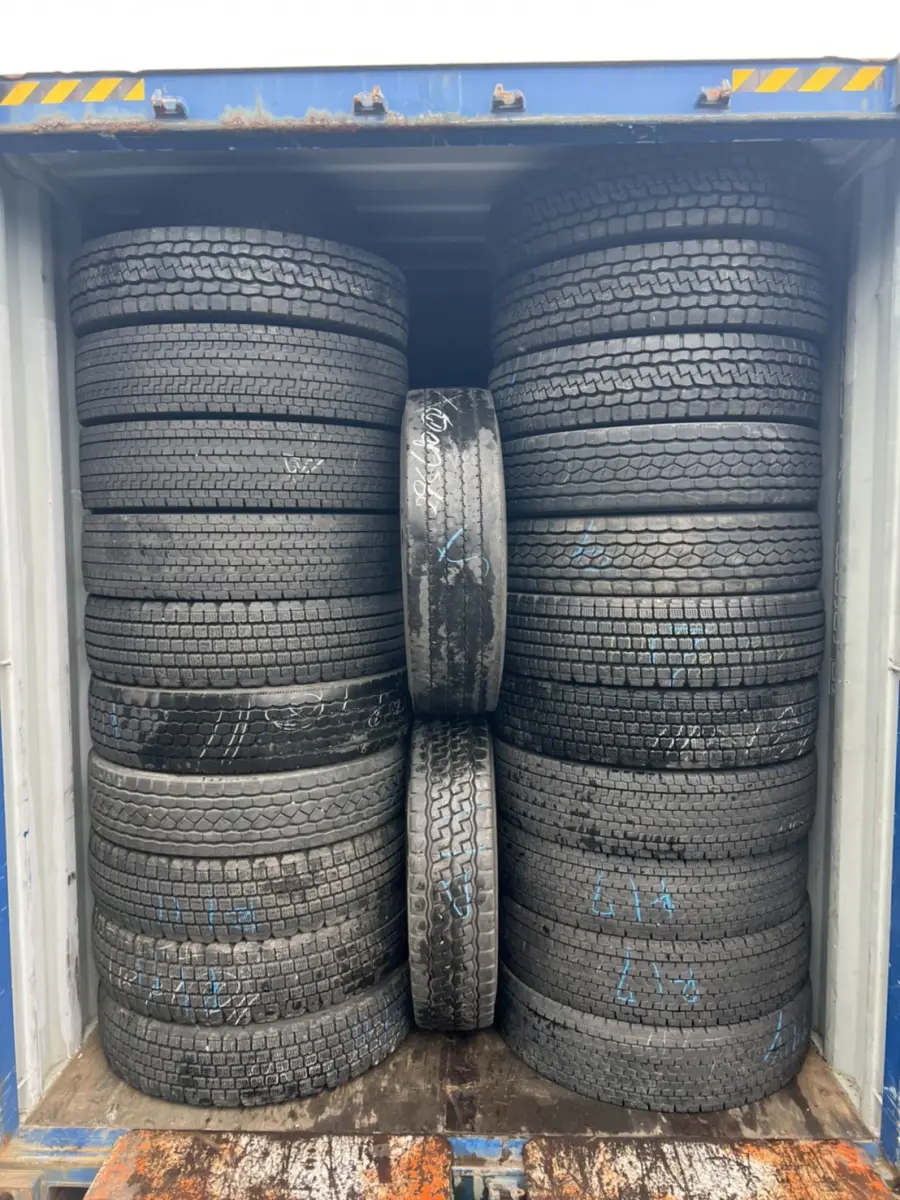
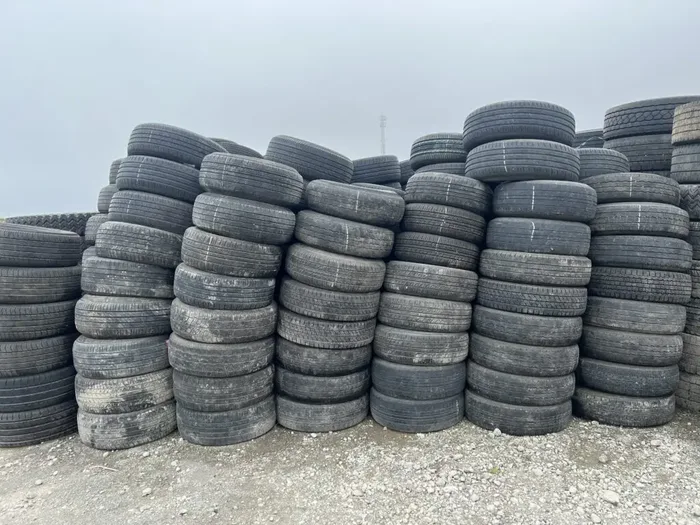
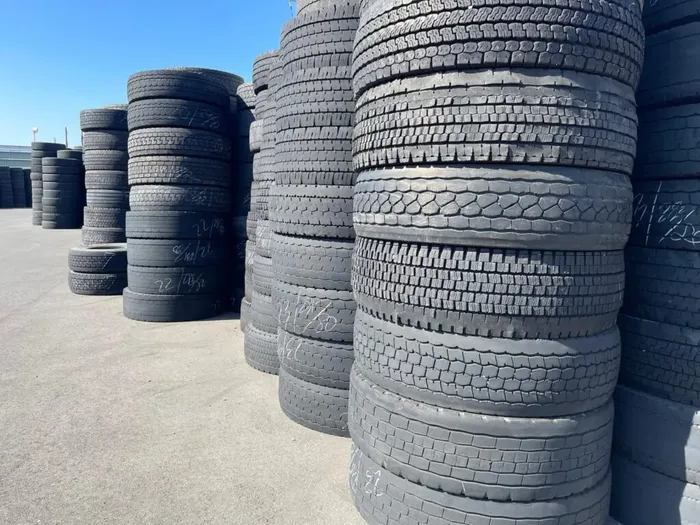
- Passenger car tires (PCR), 12–17 inch — about 2,500–2,800 pieces in a 40ft, loaded 2-in-1 or 3-in-1
- Light truck tires (LTR), 16 and 17.5 inch — 500–600 pieces in a 40ft, with 12–17 inch nested inside
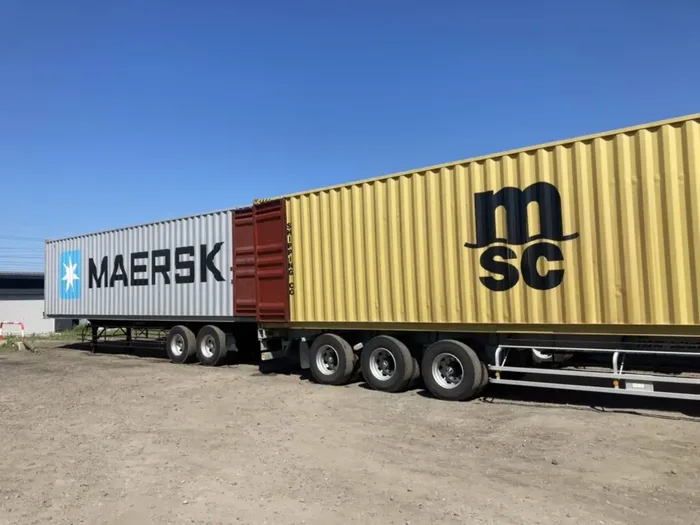
- Truck and bus tires (TBR), 11R22.5 single size — 288 pieces in a 40ft
- Mixed PCR and light truck — roughly 2,200 PCR plus 500–550 LT pieces
Full size lists and grading are on the category pages: passenger car tires, truck & bus tires, light truck tires and casings for retreading.
Terms and payment
We quote CIF to your discharge port. Marine insurance is included on every shipment. Freight is normally prepaid in Japan; collect at your end can be arranged if that suits your bank better.
Most customers pay by T/T. For a yearly contract we also work with L/C at sight.
FAQ — importing used tires from Japan to El Salvador
Is it legal to import used tires into El Salvador?
Yes. It is a defined import category with a 15% duty (DAI) — higher than the roughly 10% duty on new tires, which reflects a deliberate policy rather than a loophole.
What is OIRSA fumigation and do I need it?
Yes, it is mandatory on arrival, run by the regional agricultural health body OIRSA, at roughly US$68.67 per 40ft container. Budget it into your schedule.
What do I need to import?
A NIT (taxpayer number) from the Ministry of Finance, and a licensed customs broker to handle clearance. Both are standard requirements for any importer, not specific to tires.
Which port should I use?
Acajutla is the main gateway and does not require a Panama Canal transit from Japan. La Unión is the secondary option in the east.
What is the minimum order?
One 40ft container.
Request an offer for El Salvador
Send us your discharge port, the sizes you want and the rough quantity. We reply with a CIF price and the loading schedule.
How the buying process works — from the first enquiry through inspection, loading and documents.
Our monthly export reports record every container we loaded — quantity, sizes and destination region — going back to 2021.