USED TIRE JAPAN is the used tire export business of SK.Inc, a Japanese company in Sapporo, Hokkaido, and we ship by the container. Bolivia is landlocked, and the market is unusual for this research in one respect: Japan is already its largest supplier of used tires, not an outsider trying to break in.
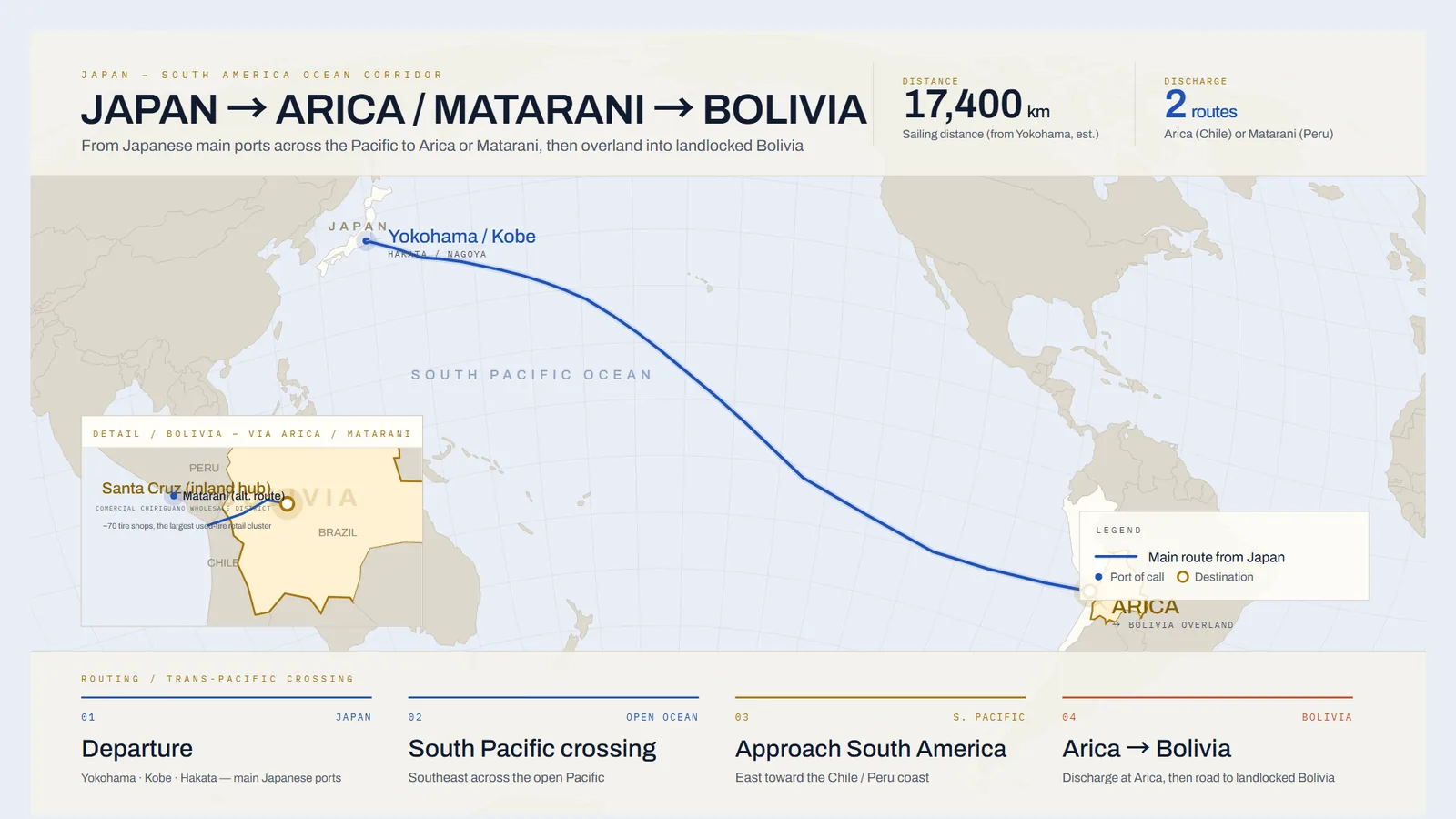
Matarani (Peru, transit)
Bolivia does not ban used or retreaded tires — it taxes them at a flat 30% import duty (Supreme Decree 4372, October 2020), a deliberate cost rather than a prohibition. By contrast, new tires carry zero duty under a separate measure running through the end of 2026. Bolivia’s own trade research body puts used tires at about 35% of the roughly 1.5 million tires sold annually in the country, and identifies Japan as the leading source by value.
Two routes in, both by land
Bolivia has no coastline. Cargo transits through Arica in Chile, the traditional route with a free-transit right dating to a 1904 treaty and carrying about 74% of Bolivia-bound freight, or through Matarani in Peru, a faster-growing alternative (up over 111% in the first half of 2024) that is often cheaper and less congested. Santa Cruz is the main inland hub, with the Comercial Chiriguano wholesale district — around 70 tire shops — as the largest retail cluster for used tires.
The ocean route
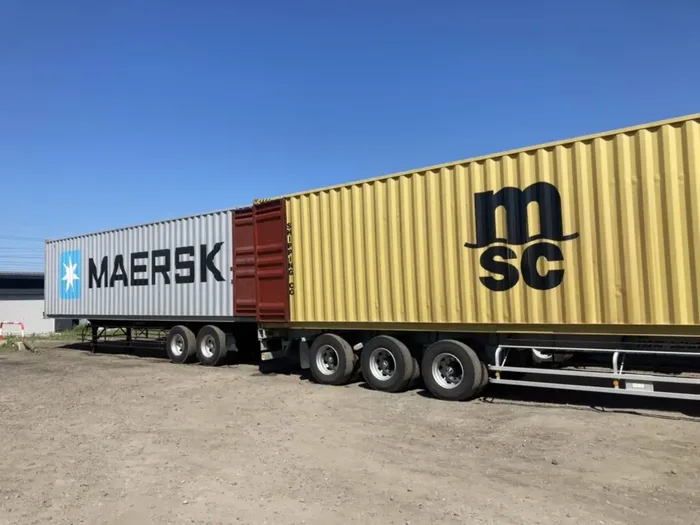
We quote CIF to Arica (Chile) or Matarani (Peru), the two transit ports used for Bolivia-bound cargo under Bolivia’s treaty right of free transit. Which one is faster or cheaper depends on routing and congestion at the time — ask us for the current comparison.
We load from thirteen Japanese ports — Ishikari, Tomakomai, Hachinohe, Akita, Sendai, Niigata, Kashiwazaki, Tokyo, Yokohama, Nagoya, Osaka, Kobe and Moji. Which one we use depends on where the stock is collected, not on where you are.
We do not publish transit times, because they depend on the carrier and the routing on the day. Ask us when you enquire and we will give you the schedule we are actually being quoted.
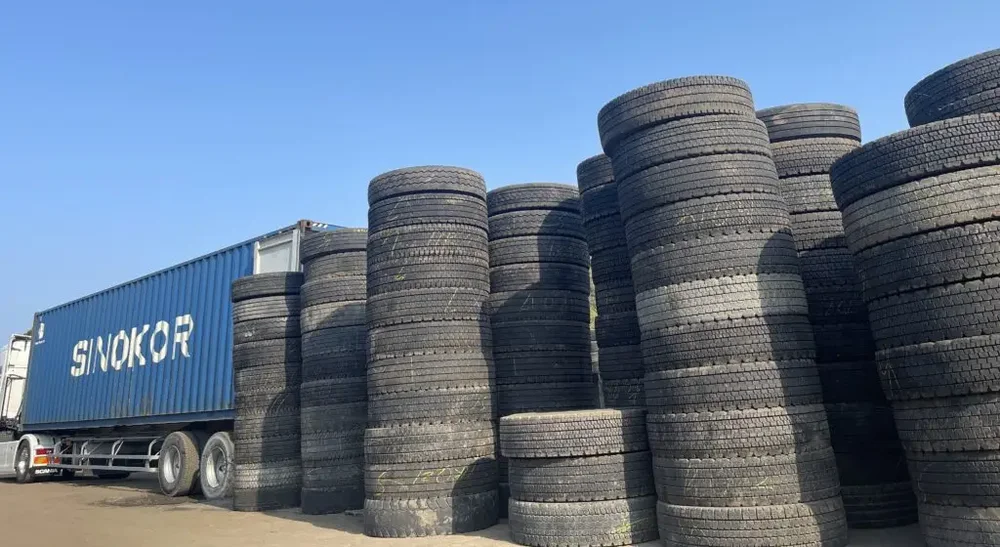
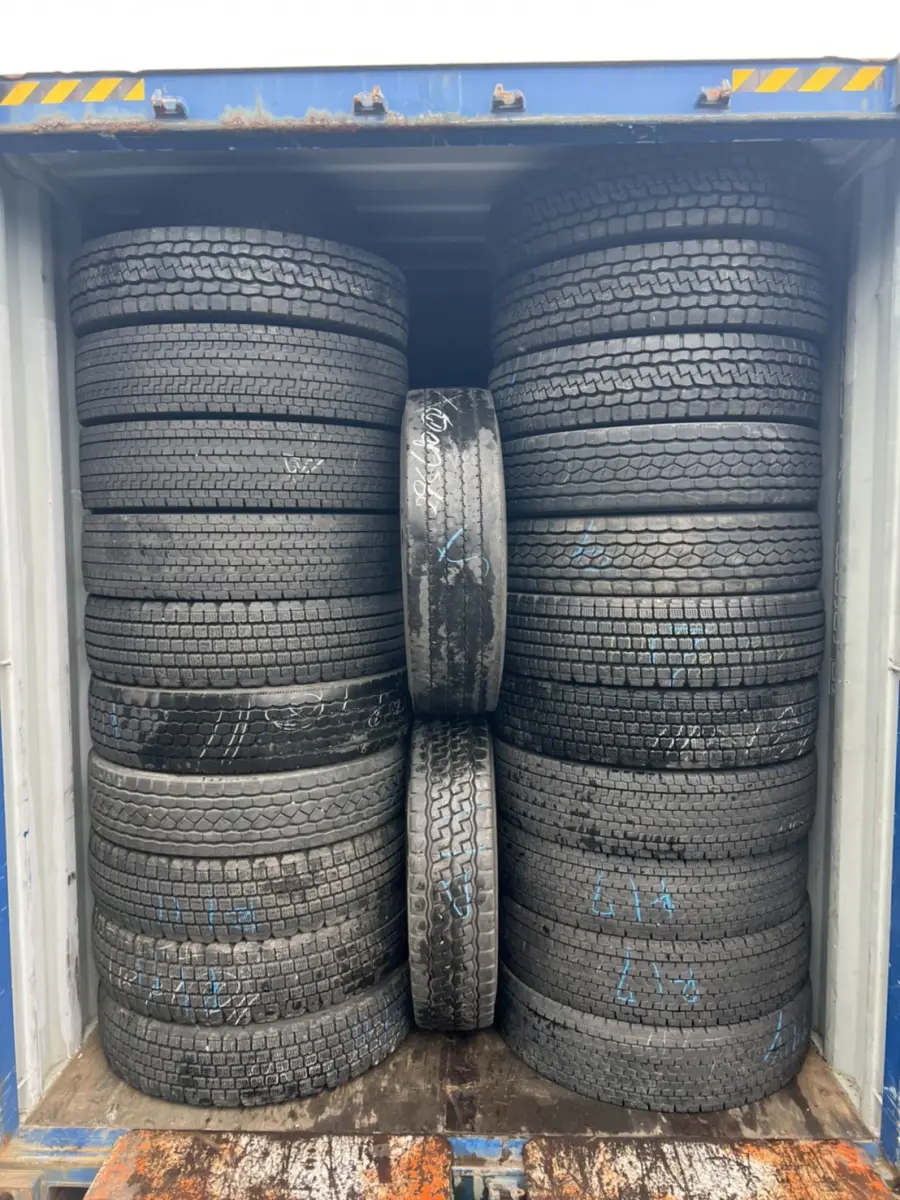
What fits in a container
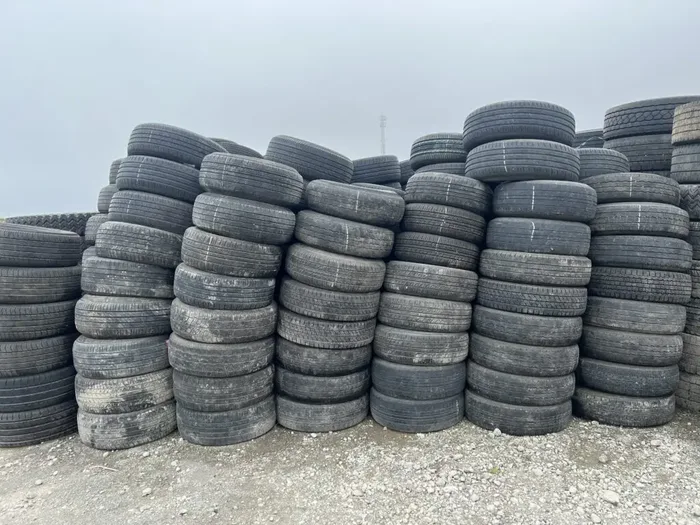
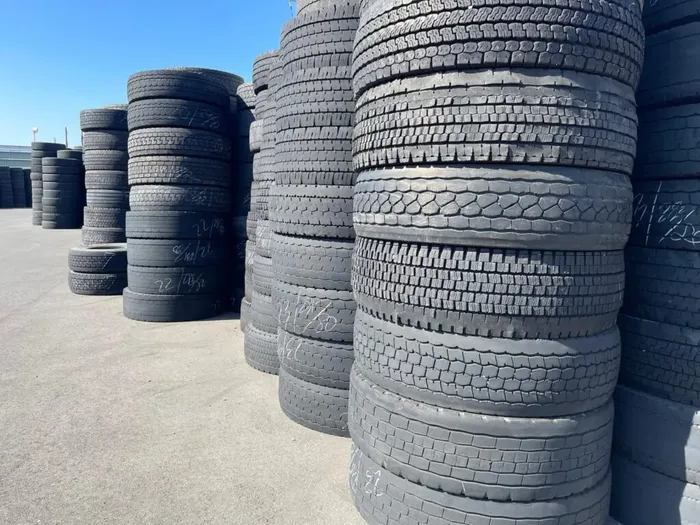
- Passenger car tires (PCR), 12–17 inch — about 2,500–2,800 pieces in a 40ft, loaded 2-in-1 or 3-in-1
- Light truck tires (LTR), 16 and 17.5 inch — 500–600 pieces in a 40ft, with 12–17 inch nested inside
- Truck and bus tires (TBR), 11R22.5 single size — 288 pieces in a 40ft
- Mixed PCR and light truck — roughly 2,200 PCR plus 500–550 LT pieces
Full size lists and grading are on the category pages: passenger car tires, truck & bus tires, light truck tires and casings for retreading.
Terms and payment
We quote CIF to your discharge port. Marine insurance is included on every shipment. Freight is normally prepaid in Japan; collect at your end can be arranged if that suits your bank better.
Most customers pay by T/T. For a yearly contract we also work with L/C at sight.
FAQ — importing used tires from Japan to Bolivia
Is it legal to import used tires into Bolivia?
Yes. A flat 30% import duty applies (Supreme Decree 4372, 2020) rather than a ban. New tires currently carry zero duty under a separate, time-limited measure.
Is Japan a common source for Bolivia’s used tire market already?
Yes — Bolivian trade research identifies Japan as the leading supplier of used tires by value, and used tires make up roughly 35% of the country’s tire market by volume.
Arica or Matarani?
Both are transit routes under Bolivia’s treaty right of free passage. Arica is the traditional route and carries most of the volume; Matarani is growing quickly and is often cheaper with less congestion. We can quote either.
What is the minimum order?
One 40ft container.
Can I mix sizes and types in one container?
Yes. Tell us the sizes and roughly what share of each you want.
Request an offer for Bolivia
Send us your discharge port, the sizes you want and the rough quantity. We reply with a CIF price and the loading schedule.
How the buying process works — from the first enquiry through inspection, loading and documents.
What we loaded and shipped each month, container by container, is published in our used tire export reports.