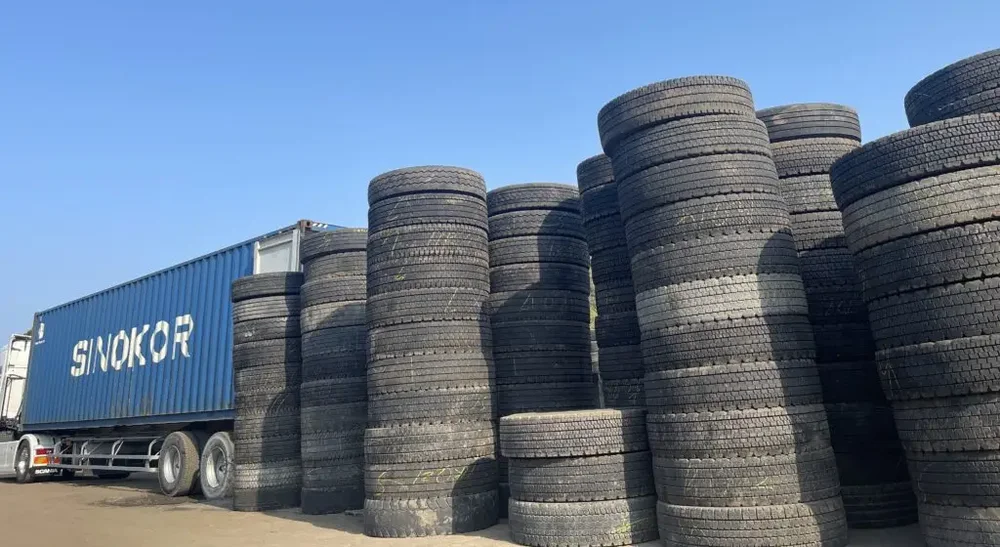
SK.Inc, in Sapporo, Hokkaido, trades as USED TIRE JAPAN and exports Japanese used tires by the full container. The DR Congo does not restrict used tires as a product, but it is the one market in our research where the paperwork has to be finished before the ship sails, not after — that changes how you should plan the schedule.
We found no ban on used tires themselves. The real hurdle is procedural: the DR Congo requires a pre-shipment inspection, run by Bureau Veritas BIVAC on behalf of the national inspection authority (OCC). A pass produces a Verification Certificate that clears the shipment through the single trade window; a fail produces a formal refusal notice, and that cargo may not be loaded for the DR Congo at all. This has to happen before departure — it is not something that gets sorted out on arrival.
This is one country with three separate supply routes
The DR Congo is roughly the size of Western Europe and its internal transport network does not connect end to end — a container landed at Matadi on the Atlantic coast does not reach Lubumbashi in the south. Matadi and the capital Kinshasa are the standard route for most of the country and the one we ship to directly; the southern mining region around Lubumbashi is normally supplied via Durban or Dar es Salaam instead, and the east via Mombasa. Tell us at the enquiry stage which region your buyer is in, so the quotation assumes the right routing.
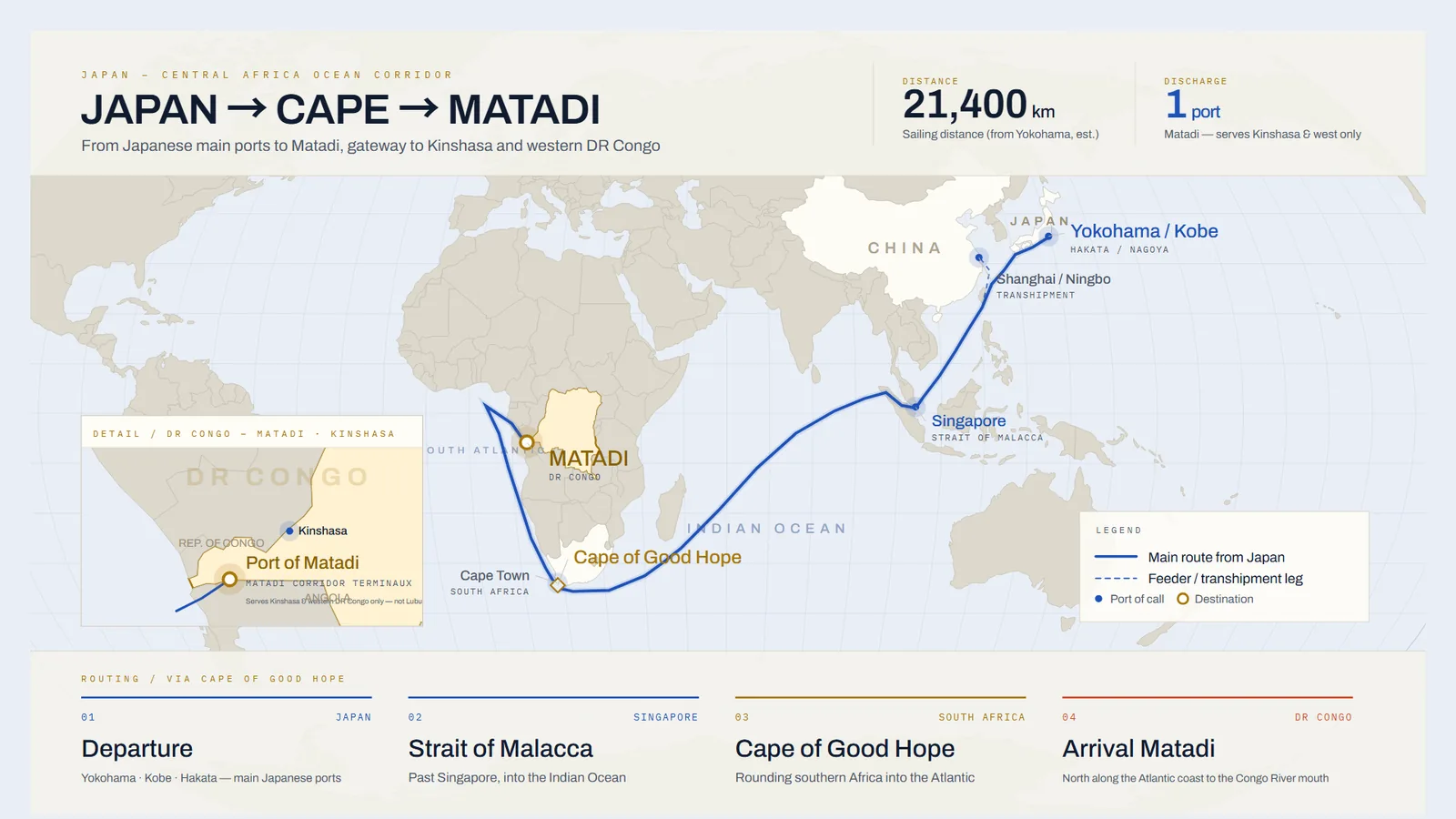
The ocean route
We quote CIF to Matadi, the gateway for Kinshasa and western DR Congo. If your buyer is in the southern mining region or the east, say so — that cargo normally moves through different ports entirely and Matadi will not reach it.
We load from thirteen Japanese ports — Ishikari, Tomakomai, Hachinohe, Akita, Sendai, Niigata, Kashiwazaki, Tokyo, Yokohama, Nagoya, Osaka, Kobe and Moji. Which one we use depends on where the stock is collected, not on where you are.
We do not publish transit times, because they depend on the carrier and the routing on the day. Ask us when you enquire and we will give you the schedule we are actually being quoted.
What fits in a container
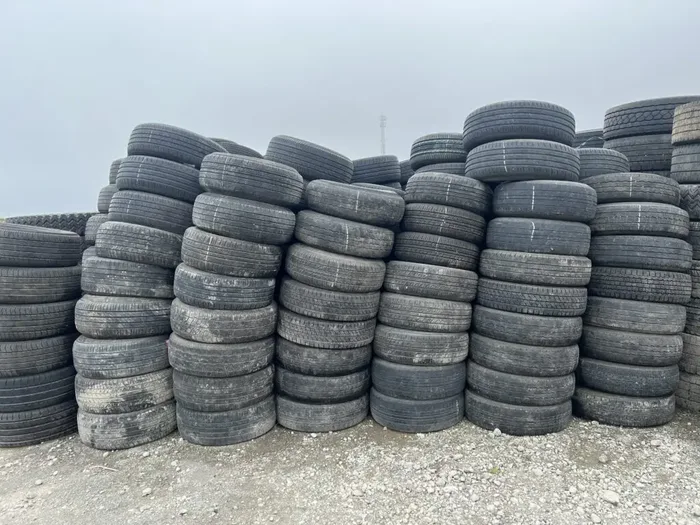
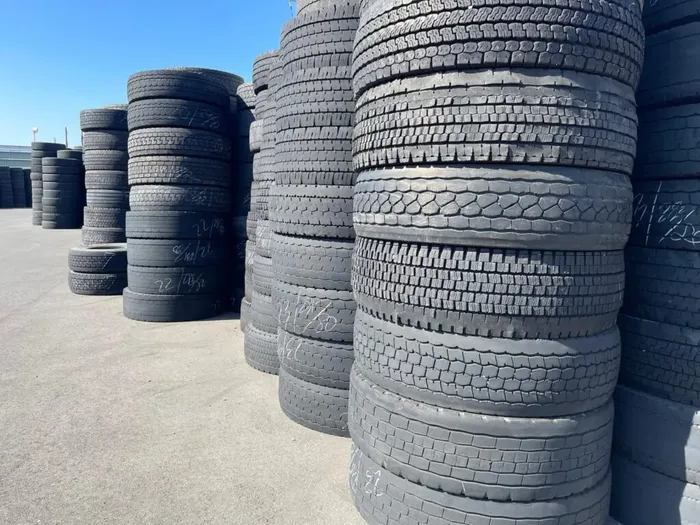
- Passenger car tires (PCR), 12–17 inch — about 2,500–2,800 pieces in a 40ft, loaded 2-in-1 or 3-in-1
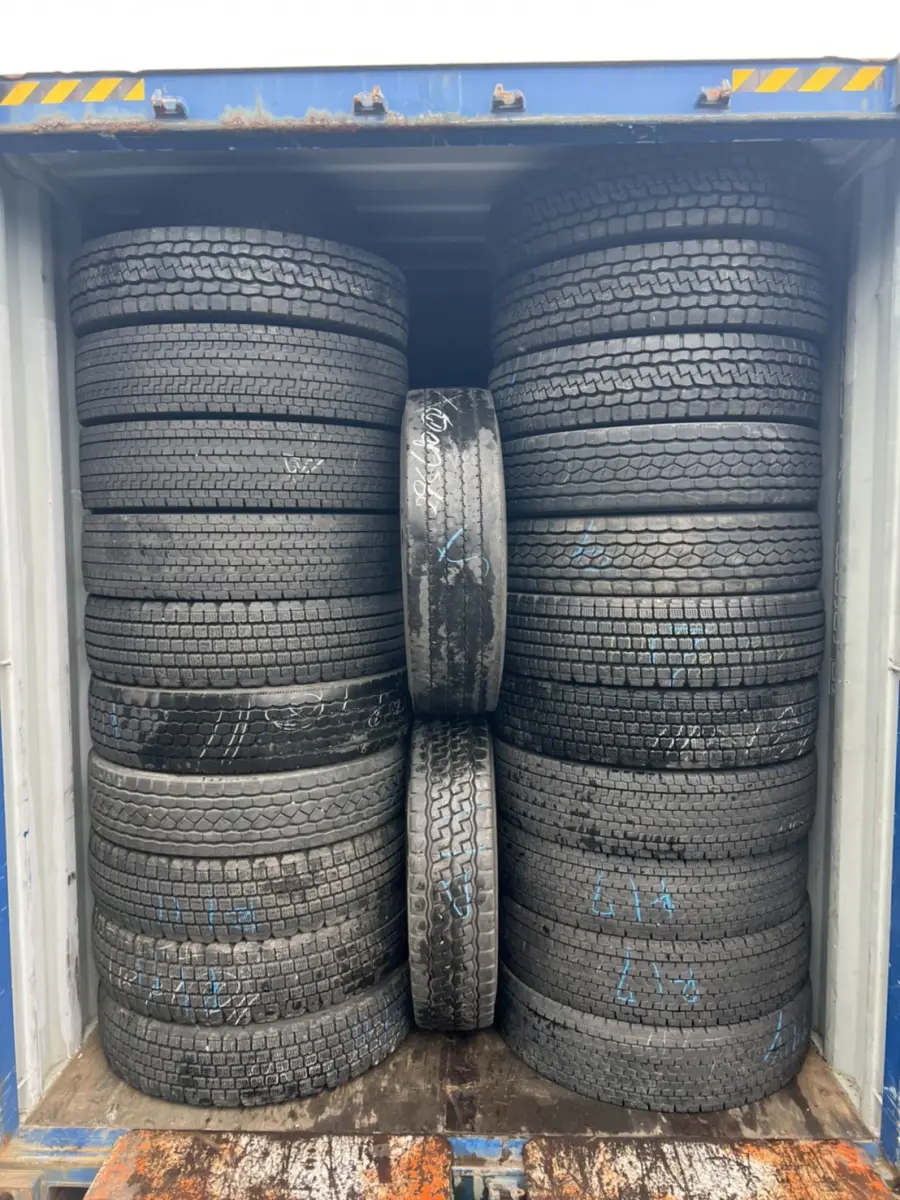
- Light truck tires (LTR), 16 and 17.5 inch — 500–600 pieces in a 40ft, with 12–17 inch nested inside
- Truck and bus tires (TBR), 11R22.5 single size — 288 pieces in a 40ft
- Mixed PCR and light truck — roughly 2,200 PCR plus 500–550 LT pieces
Full size lists and grading are on the category pages: passenger car tires, truck & bus tires, light truck tires and casings for retreading.
Terms and payment
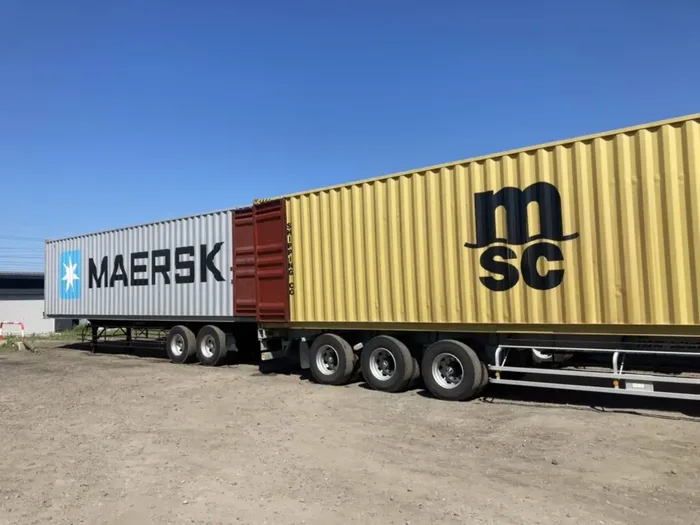
We quote CIF to your discharge port. Marine insurance is included on every shipment. Freight is normally prepaid in Japan; collect at your end can be arranged if that suits your bank better.
Most customers pay by T/T. For a yearly contract we also work with L/C at sight.
FAQ — importing used tires from Japan to the Democratic Republic of the Congo
Is it legal to import used tires into the DR Congo?
Yes, we found no ban on the product itself. The requirement to plan around is a mandatory pre-shipment inspection, which has to pass before the container leaves Japan.
What is the pre-shipment inspection?
A Bureau Veritas BIVAC inspection on behalf of OCC, the national inspection authority. A pass clears the shipment through the trade single window; a fail means the cargo cannot be loaded for the DR Congo. Ask us how we handle this in the shipping schedule.
Will a container to Matadi reach my buyer in Lubumbashi?
No. The DR Congo has three effectively separate logistics zones, and Matadi serves the west only. Tell us where your buyer is based so we quote the right routing.
What is the minimum order?
One 40ft container.
Can I mix sizes and types in one container?
Yes. Tell us the sizes and roughly what share of each you want.
Request an offer for the DR Congo
Send us your discharge port, the sizes you want and the rough quantity. We reply with a CIF price and the loading schedule.
How the buying process works — from the first enquiry through inspection, loading and documents.
What we loaded and shipped each month, container by container, is published in our used tire export reports.