USED TIRE JAPAN — registered in Japan as SK.Inc, and working out of Sapporo, Hokkaido — ships used tires by the container. The US is not a market with a special permit like Malaysia’s — it is a market with a federal paperwork requirement that catches buyers who have not budgeted the time for it.
New York / Newark
Houston
Savannah
Every tire entering the US needs an HS-7 declaration under 49 CFR Part 591, and tires generally require a DOT mark under 49 CFR Part 574. There is a narrower route: tires with tread below 2/32 inch imported solely to be retreaded domestically can enter without a DOT mark. That exemption is the main channel most used-tire and casing imports actually use.
What the paperwork actually requires
The HS-7 declaration is filed with US Customs at entry and states which of NHTSA’s import categories the tires fall under — for worn casings going to a retreader, that is normally the retreading exemption. A general importer bringing in road-ready used tires for resale needs full DOT compliance instead, which is a higher bar. Tell us at the enquiry stage which category applies to you; it changes what we need to provide on the shipping documents.
State rules can add another layer — California, for instance, restricts installing what its code calls an “unsafe used tire.” That is a matter for your buyer and their installer, not something we can adjust for by state.
The ocean route
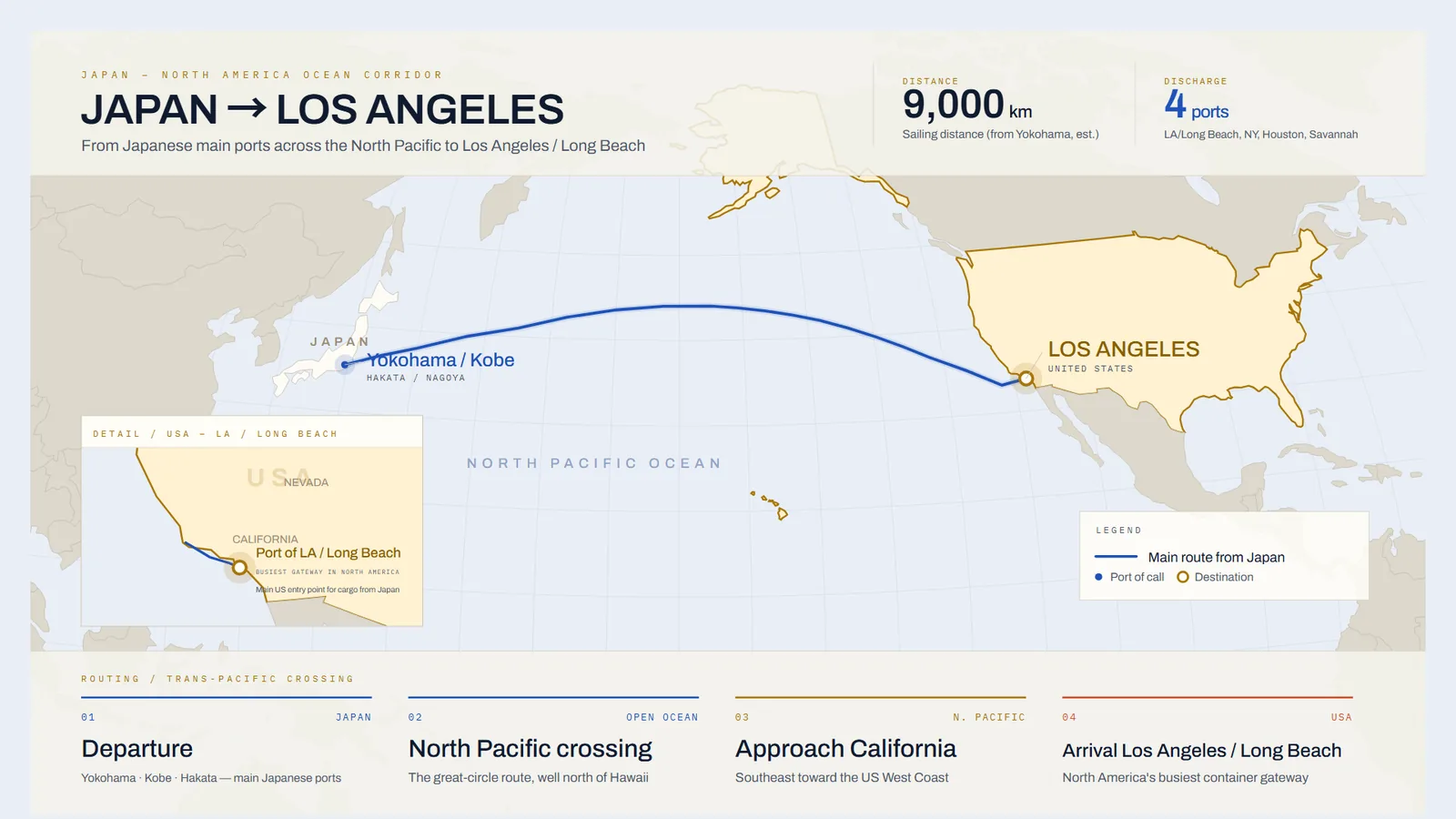
Los Angeles/Long Beach is the main US gateway for cargo from Japan. New York/Newark serves the East Coast, Houston is a common re-export point toward Mexico and Central America, and Savannah serves the Southeast. We quote CIF to whichever you nominate.
We load from thirteen Japanese ports — Ishikari, Tomakomai, Hachinohe, Akita, Sendai, Niigata, Kashiwazaki, Tokyo, Yokohama, Nagoya, Osaka, Kobe and Moji. Which one we use depends on where the stock is collected, not on where you are.
We do not publish transit times, because they depend on the carrier and the routing on the day. Ask us when you enquire and we will give you the schedule we are actually being quoted.
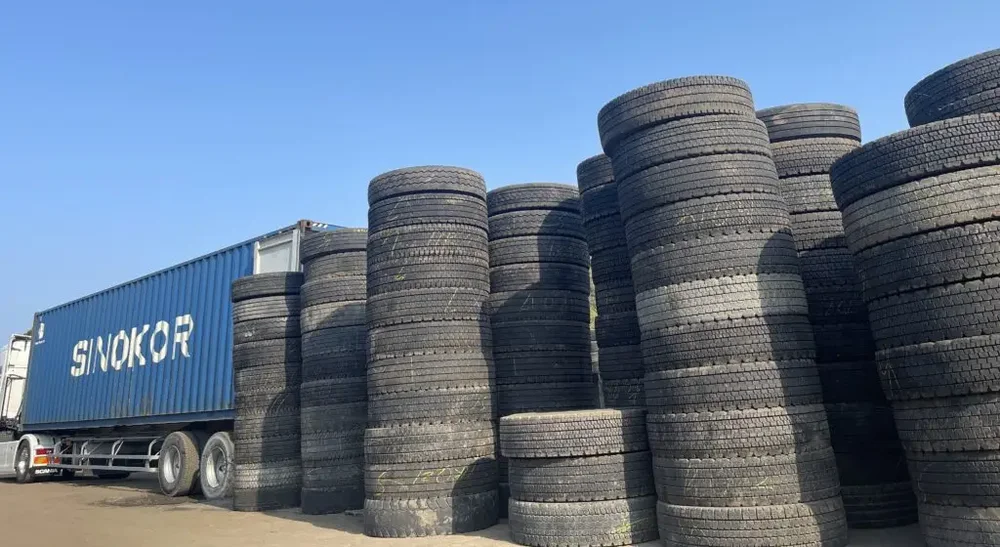
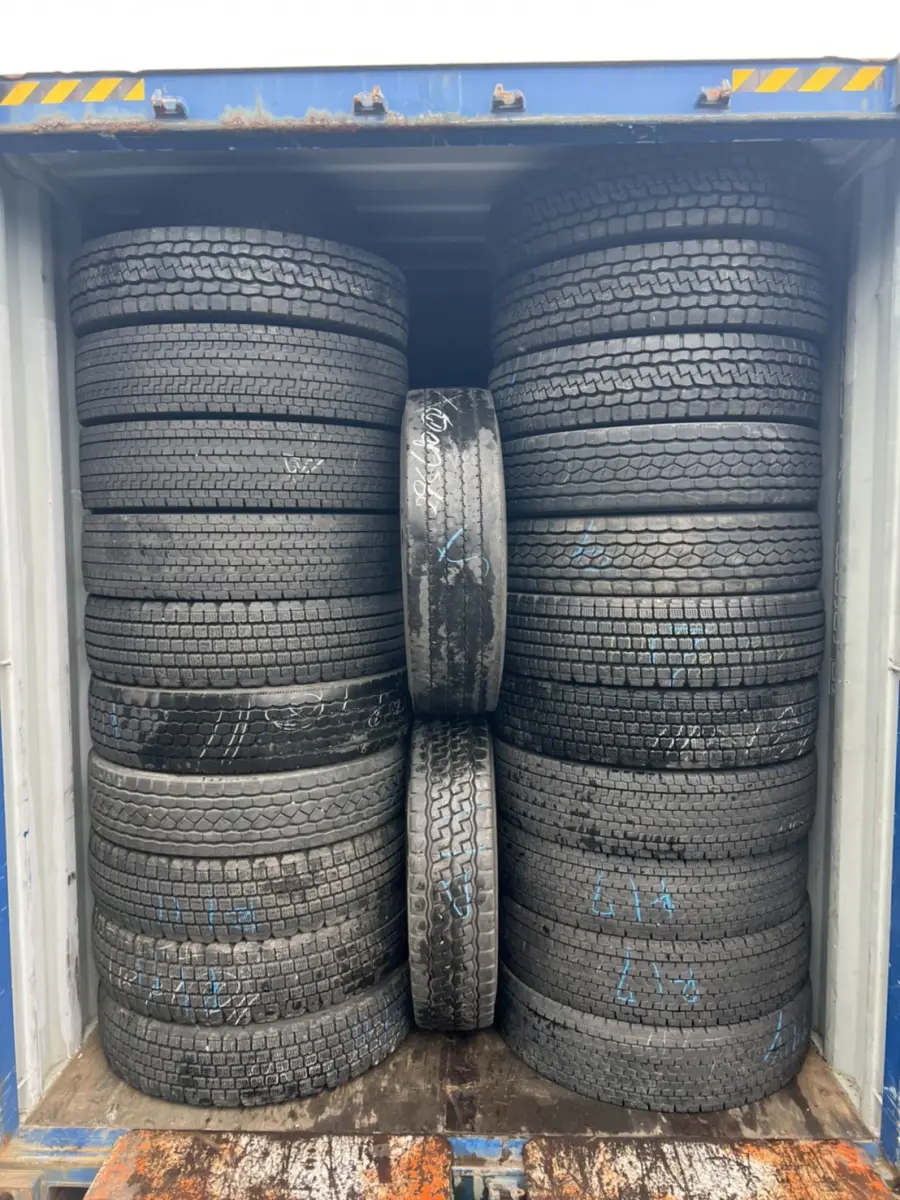
What fits in a container
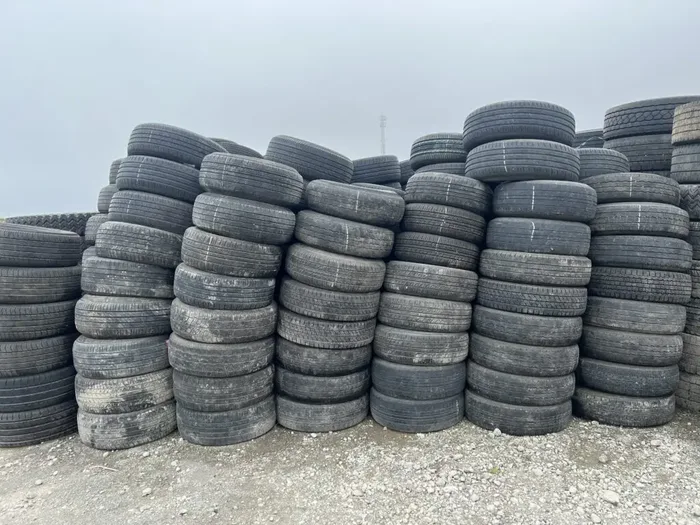
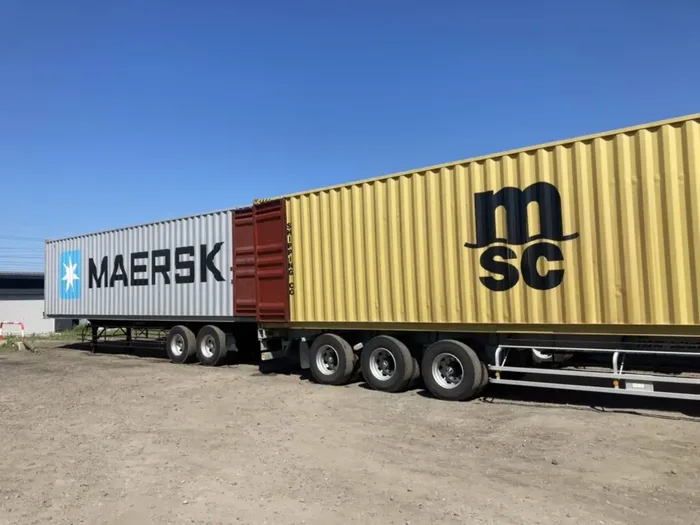
- Passenger car tires (PCR), 12–17 inch — about 2,500–2,800 pieces in a 40ft, loaded 2-in-1 or 3-in-1
- Light truck tires (LTR), 16 and 17.5 inch — 500–600 pieces in a 40ft, with 12–17 inch nested inside
- Truck and bus tires (TBR), 11R22.5 single size — 288 pieces in a 40ft
- Mixed PCR and light truck — roughly 2,200 PCR plus 500–550 LT pieces
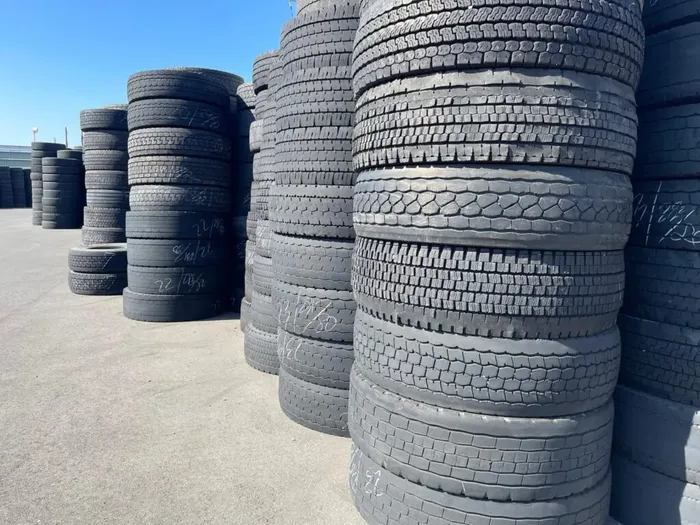
Full size lists and grading are on the category pages: passenger car tires, truck & bus tires, light truck tires and casings for retreading.
Terms and payment
We quote CIF to your discharge port. Marine insurance is included on every shipment. Freight is normally prepaid in Japan; collect at your end can be arranged if that suits your bank better.
Most customers pay by T/T. For a yearly contract we also work with L/C at sight.
FAQ — importing used tires from Japan to the United States
What is an HS-7 declaration?
A declaration filed with US Customs under 49 CFR Part 591 stating which NHTSA import category the tires fall under. It is required on every tire shipment; which category applies depends on whether the tires are road-ready or going for retreading.
Do the tires need a DOT mark?
Generally yes, unless the shipment qualifies for the retreading exemption — tread below 2/32 inch, imported solely for domestic retreading, no resale as-is. Tell us which applies before we quote.
Does a state ban like California’s affect what you can ship us?
That governs what your installer can fit on a vehicle, not what can be imported. It is worth knowing if you resell into California, but it does not change our shipping documents.
Which port should I use?
Los Angeles/Long Beach, New York/Newark, Houston or Savannah — whichever suits your distribution. We quote CIF to any of the four.
What is the minimum order?
One 40ft container.
Request an offer for the United States
Send us your discharge port, the sizes you want and the rough quantity. We reply with a CIF price and the loading schedule.
How the buying process works — from the first enquiry through inspection, loading and documents.
What we loaded and shipped each month, container by container, is published in our used tire export reports.